
Porites lobata
Porites lobata




Special features
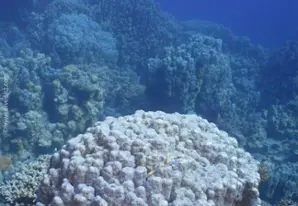
They often form the largest coral colonies far and wide.
Appearance
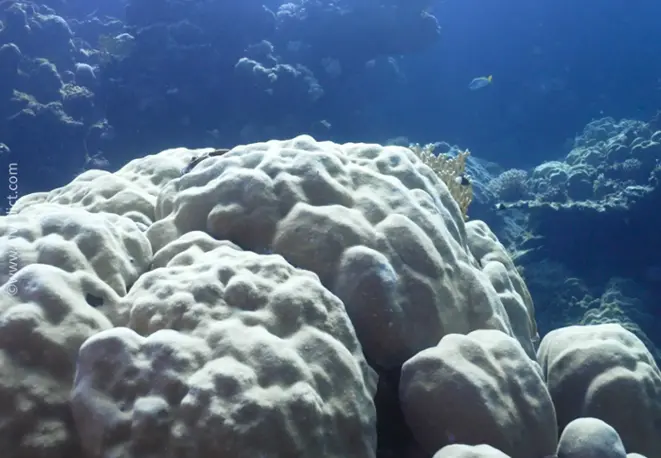
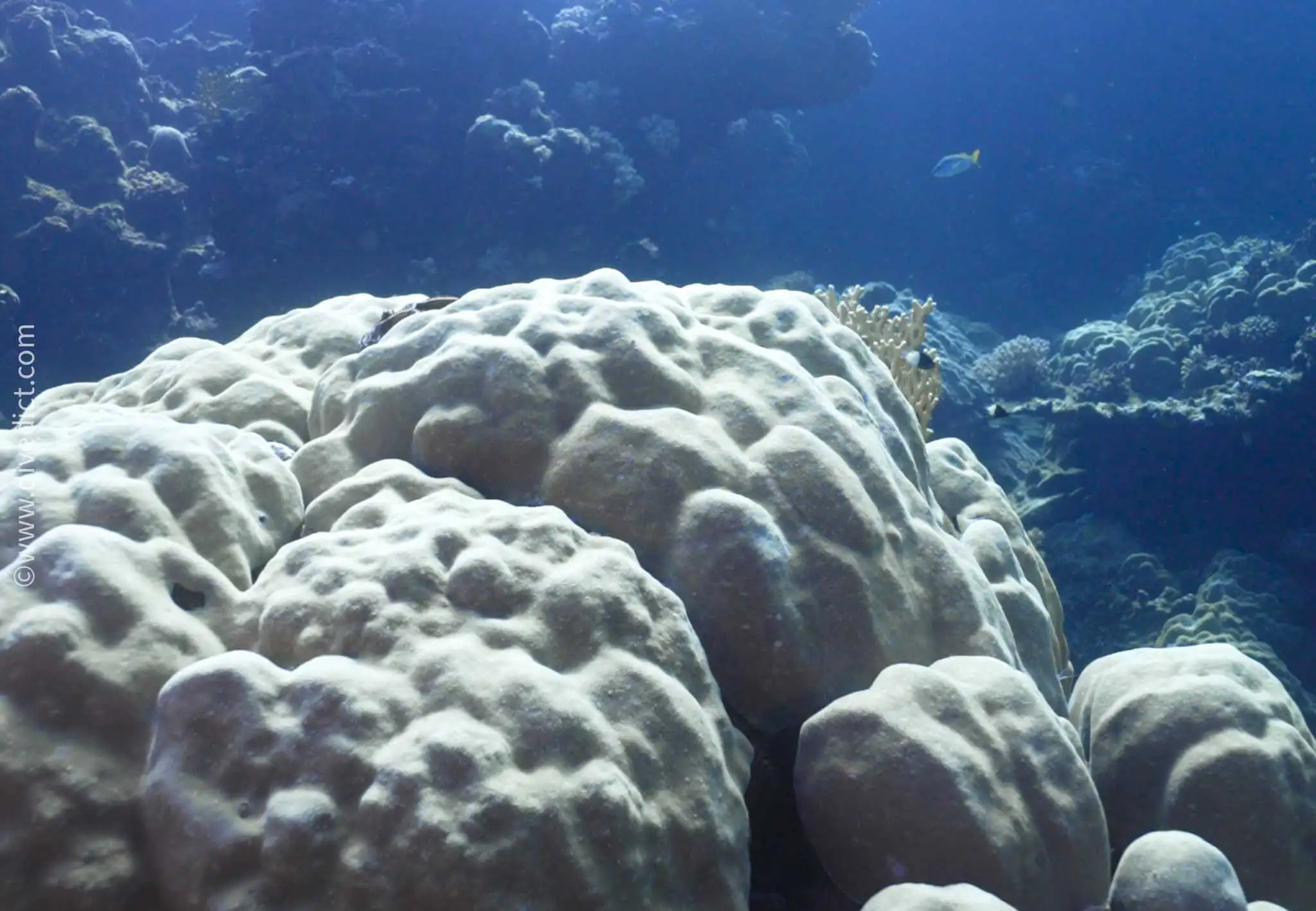
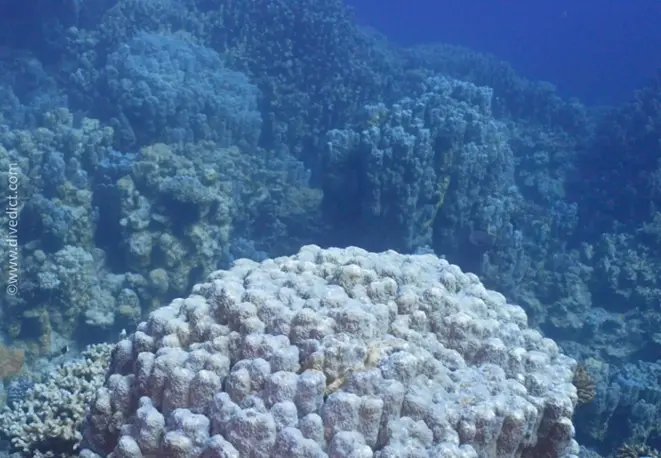
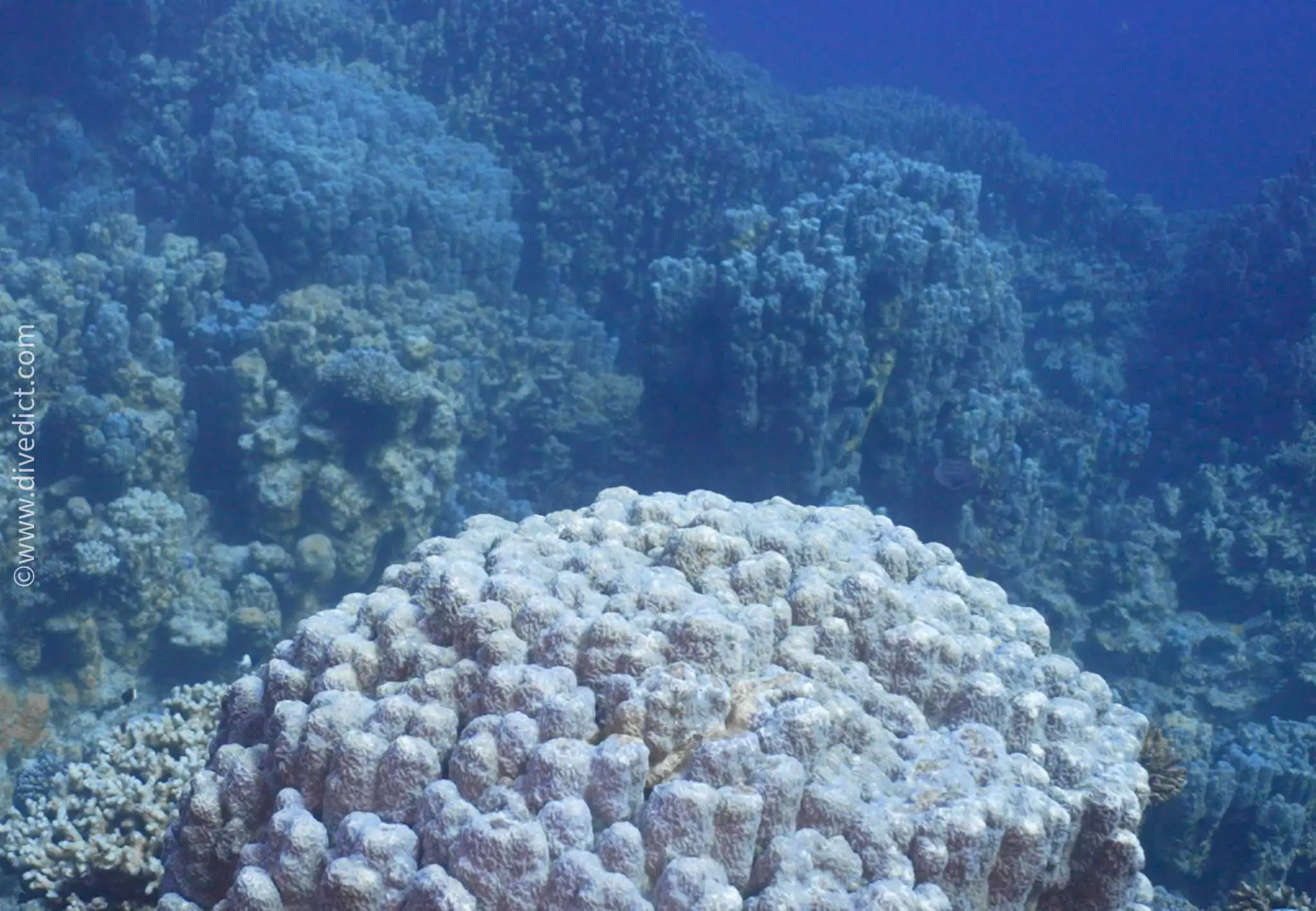
Porites lobata is an impressive coral species, known for its large, massive, and helmet-shaped colonies. These coral structures can reach several meters in diameter, making them one of the most striking species in the coral reef.
Natural enemies
Fish
Dangerous/Venomous
The lobe-shaped pore coral is neither dangerous nor venomous.
Sketch
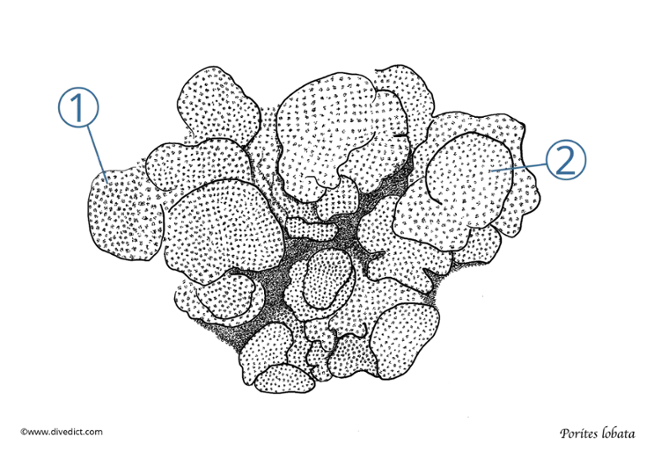
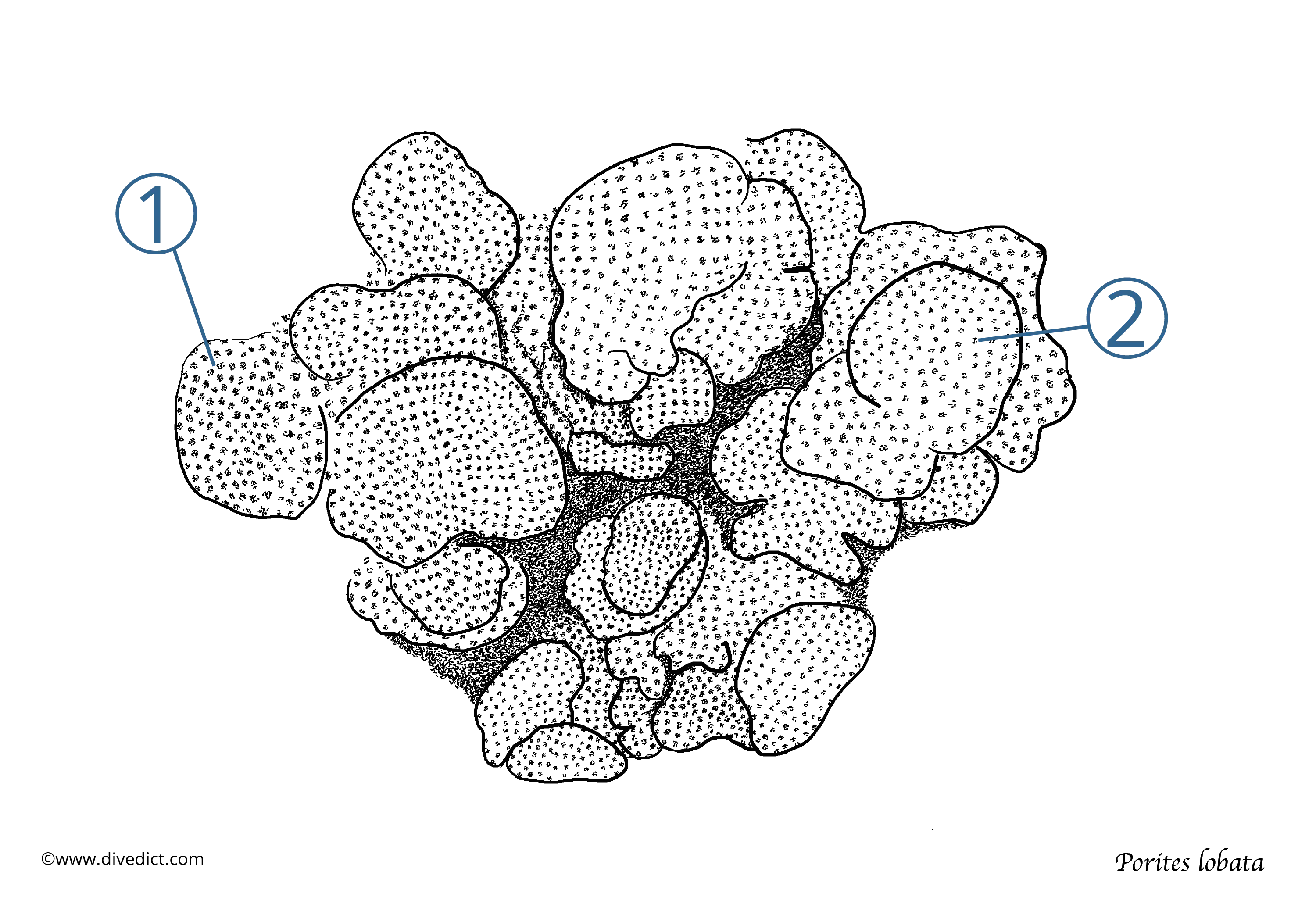
1. polyp
2. helmet-shaped colonies
Pro tips
These corals can be found both on the reef tops and in the deeper areas of the reef slope. Particularly in the deeper waters, they develop their characteristic, massive structures, which can measure several meters in both width and height.
Porites lobata is often difficult for non-experts to distinguish from other Porites species. The difference lies in the structure of the tiny corallites, the small calcium carbonate skeletons that make up the coral. To spot these differences, a detailed comparison of the corallites is needed—something that requires a good understanding of coral structures. Additionally, the corallites on living corals are often covered by the polyps, which further complicates identification.
Coral colonies that settle on the reef tops and are periodically exposed to air over time develop so-called "microatolls." These structures form when the crown of the coral is worn down (corroded and eroded) by wind and sun. Microatolls provide a habitat for a variety of marine organisms, creating a rich flora and fauna that settles in the crevices and indentations of the corals.
Text: Carolina Leiter
Pic: Felician Hosp
Illustration: Dive Dict