
Where can I be found?
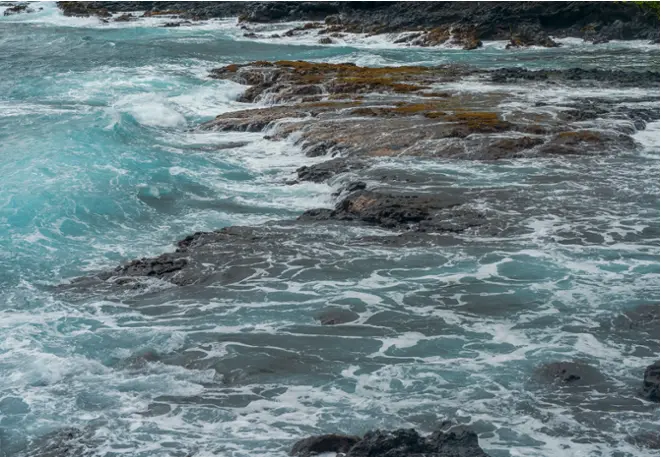
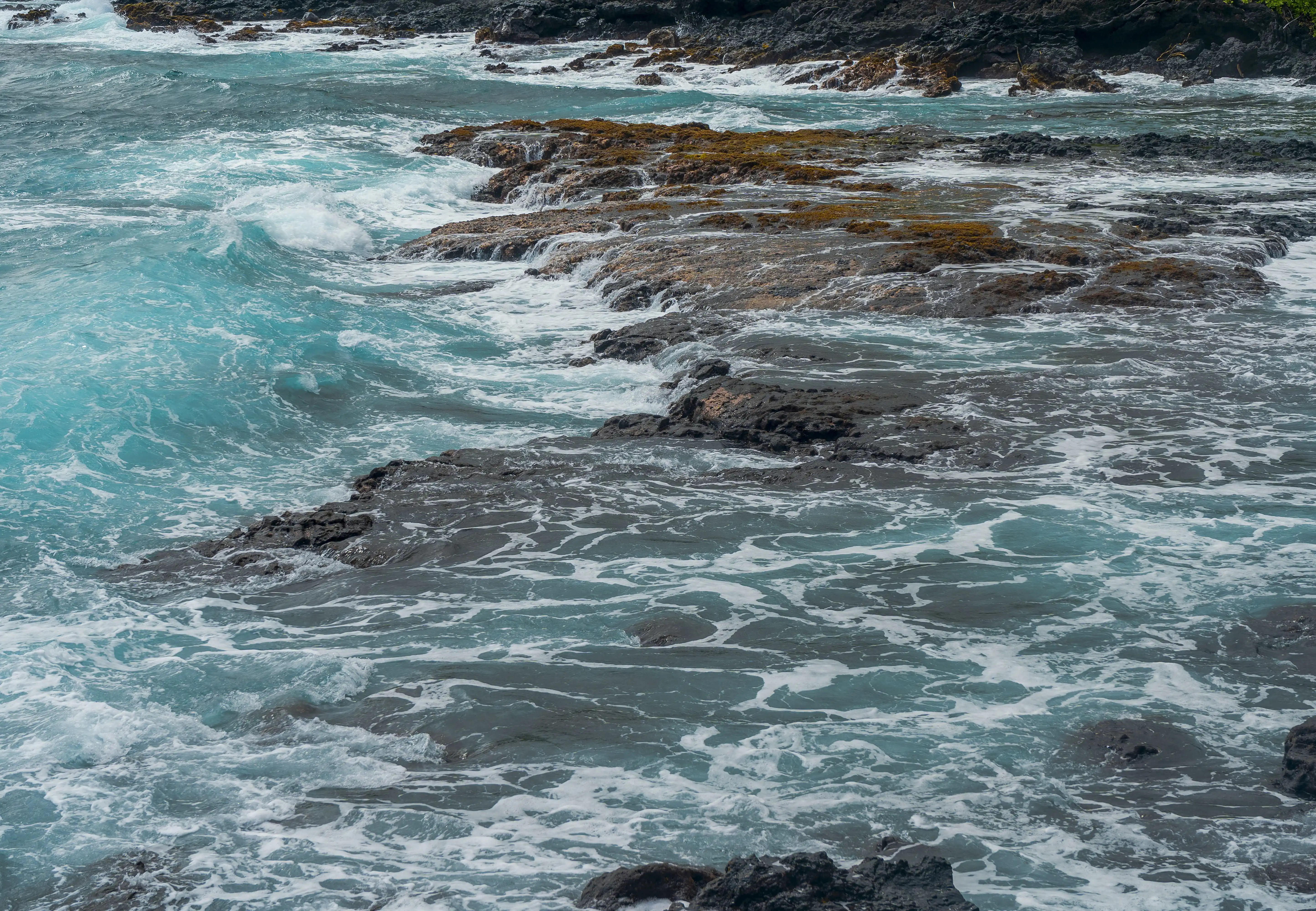
Coastlines all over the world are characterized by low tide and high tide - these areas are called intertidal zones.
Sometimes they are completely covered by water, sometimes they are completely exposed to the air.
Why am I important?
Fascinatingly, it is the gravitational pull of the Sun and Moon that moves the Earth's vast bodies of water.
These regular fluctuations in water levels have a significant impact on coastal areas all around the world.
Who am I giving home to?
The intertidal zone is considered an extreme habitat where few organisms can survive. Constant water movement, gradual desiccation, and intense solar radiation make survival in the intertidal anything but easy.
Hardy organisms that successfully withstand these conditions include sessile animals such as barnacles and bivalves, which often cover the entire rock surface (group strength!).
Algae also thrive here, as the intertidal zone provides them with optimal living conditions: Algae love high-frequency water exchange and lots of sunlight.
They do not have to worry about food sources, thanks to the many nutrients that are brought in from the shore and also from above (keyword: bird droppings). However, these algae do not usually live long, as they are the main food source for many animals that live in the intertidal zone such as birds (paradoxically) and crabs.
A renowned survival strategy in the intertidal zone is to keep moving! Crabs and shrimps are masters of this: At low tide, they seek out crevices where water remains, sheltering from the sun's intense rays.
Animals that live in the intertidal zone are in constant danger of becoming food for seabirds as they are easy to spot and catch.
The intertidal zone is the domain of blenny fish, which defend their territory fiercely. They manage to move across the rock in very shallow water, which does not preclude air contact from time to time. However, they tolerate this very well - some species can even breathe air. Their thick mucus layer also protects them from drying out in the air.
Beware of insects - the intertidal zone is one of the few marine habitats where insects such as mosquitoes like to live.
What do I consist of?
I am the rocky coast where the sea level rises and falls every six hours. My many small holes and caves are therefore sometimes filled with seawater and sometimes completely dry.
Text: Carolina Leiter