
Grey wrasse
Symphodus cinereus




Special features
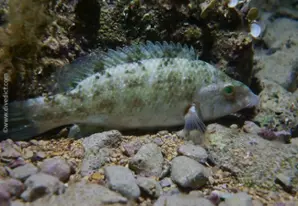
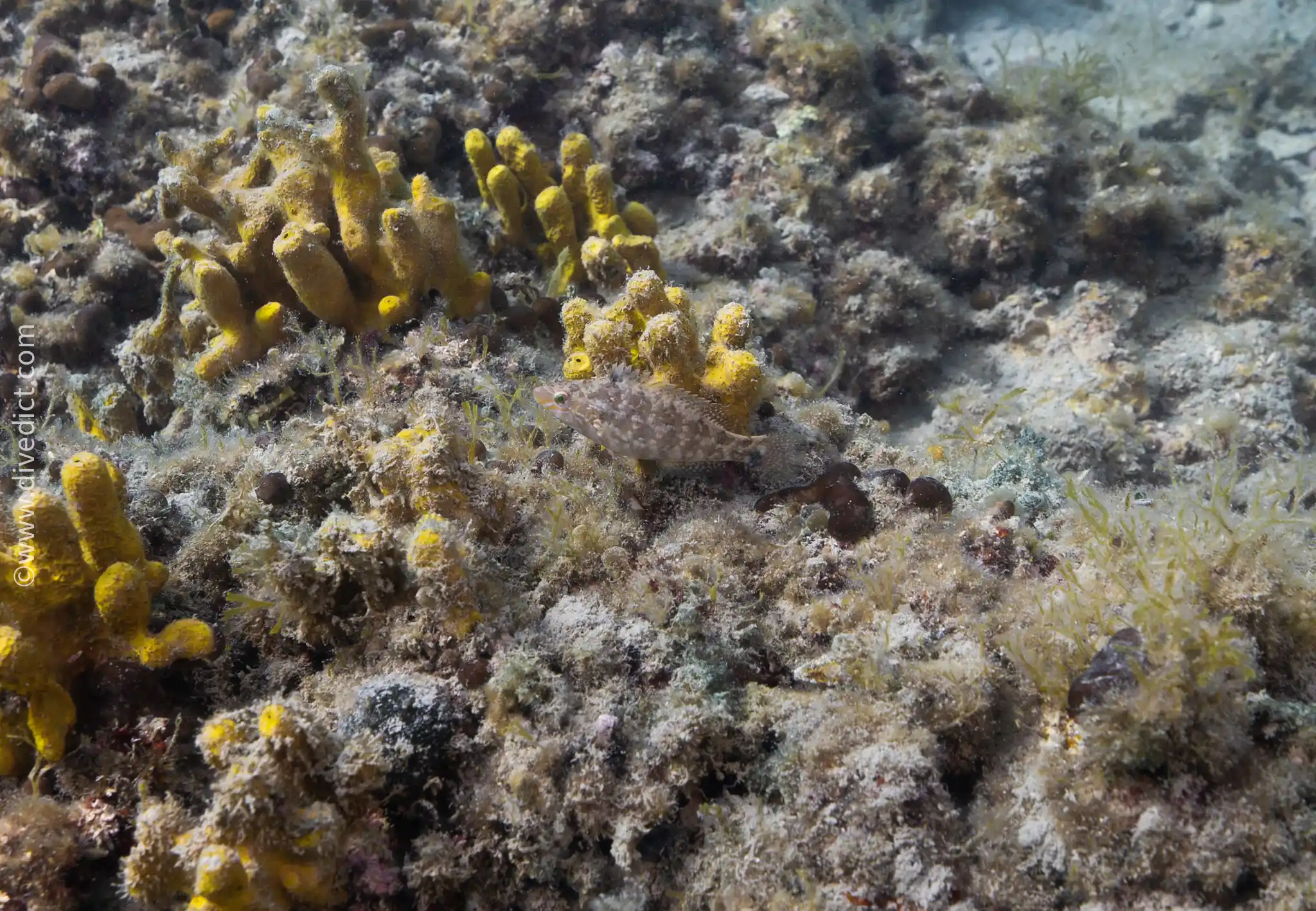
The gray wrasse likes to live where there is a lot of natural dirt, such as decaying plant material.
The “gray” in his name is misleading. If it wants, it can show color.
Appearance
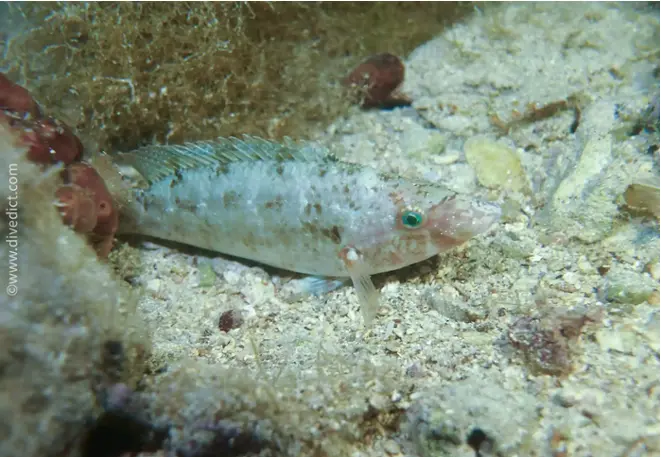
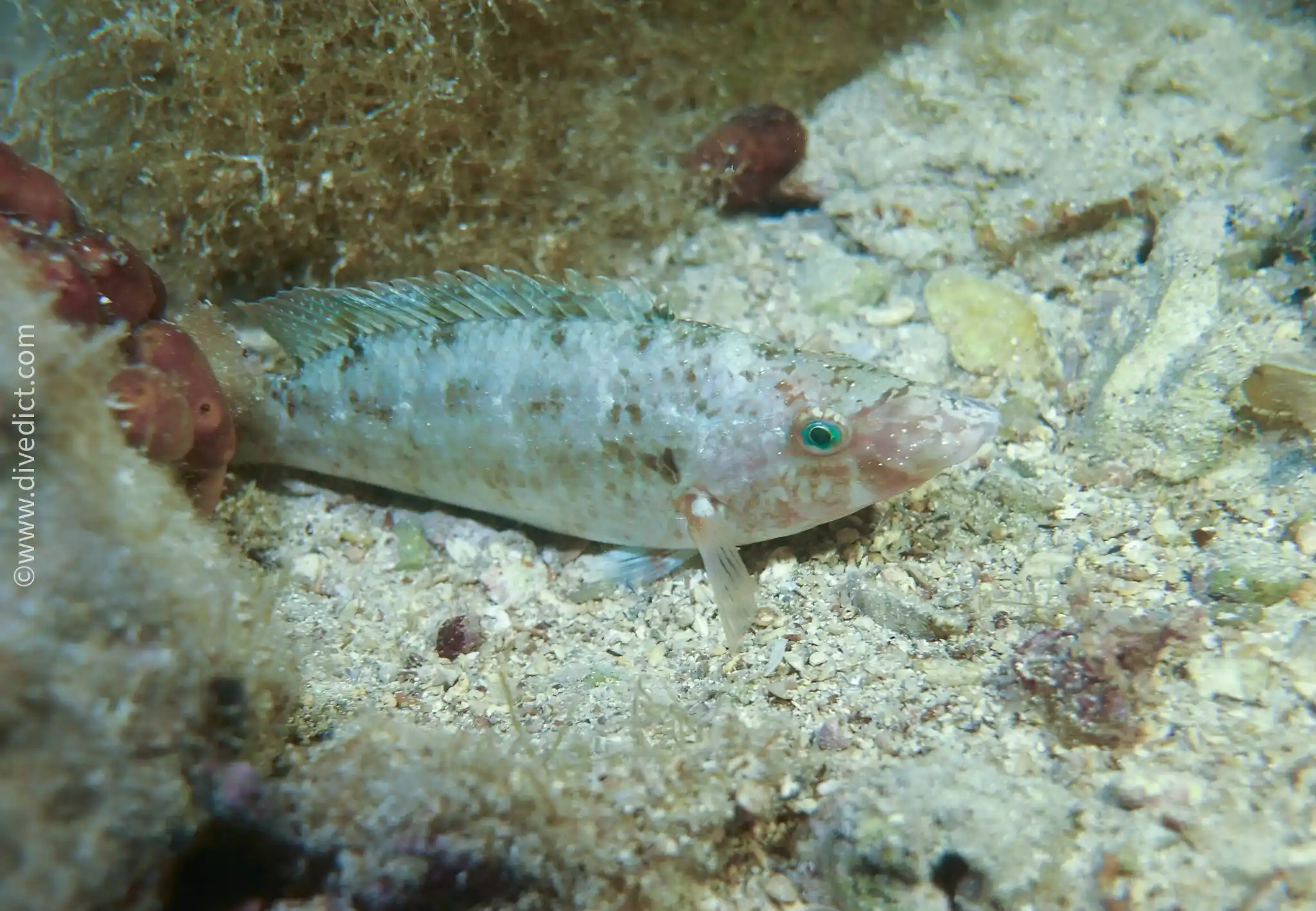
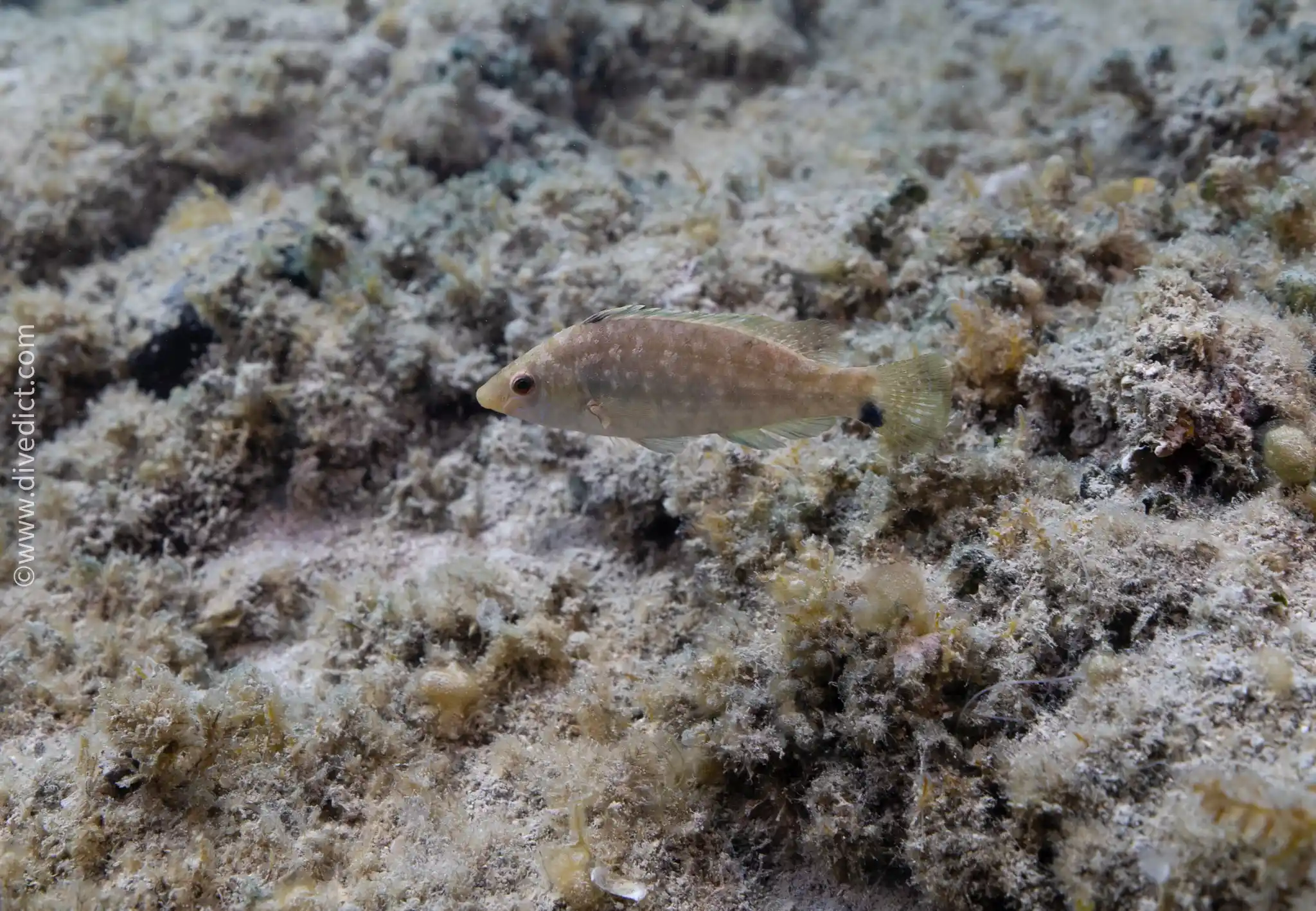
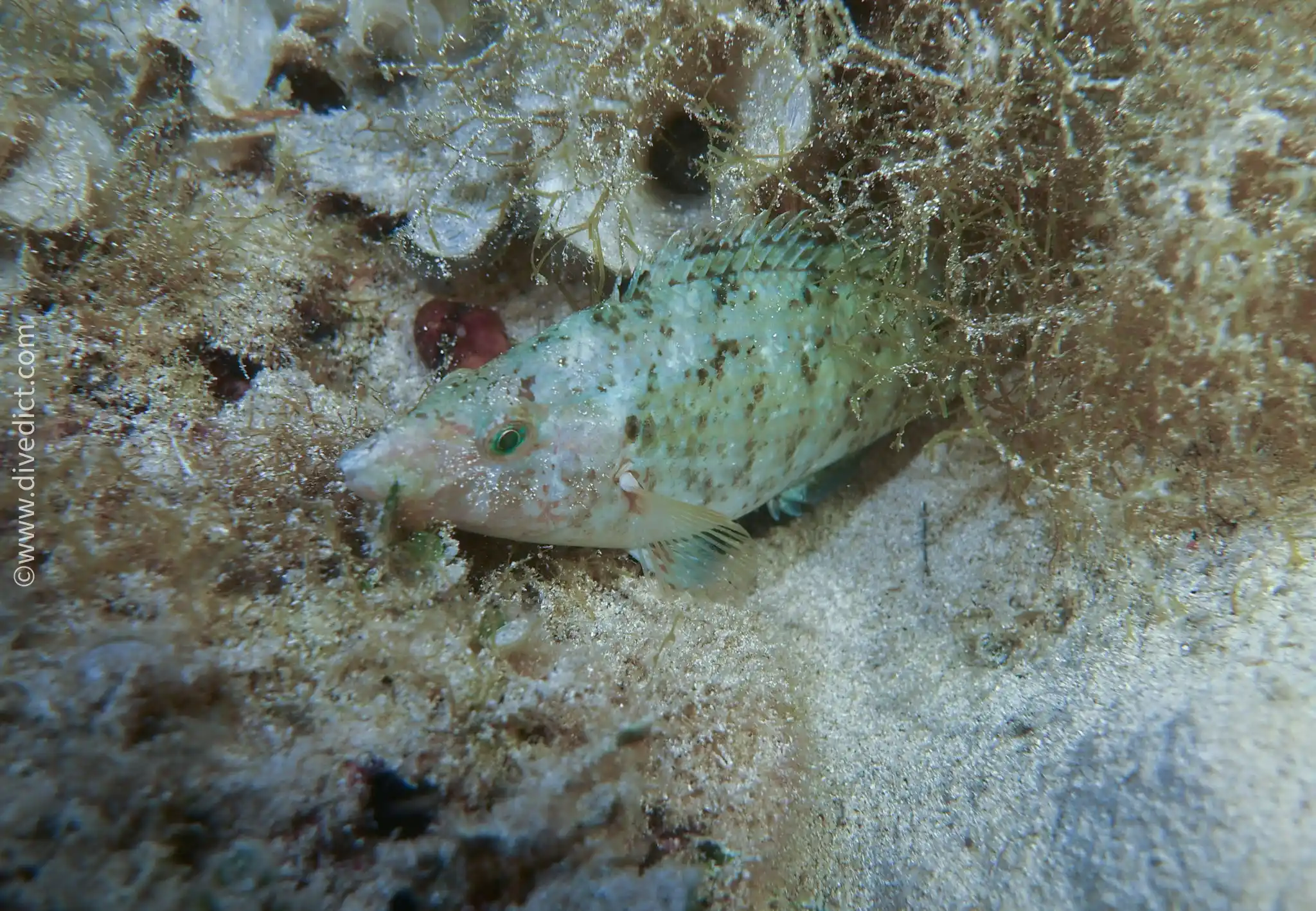
Like its conspecifics, the gray wrasse has an elongated body with a slightly raised back.
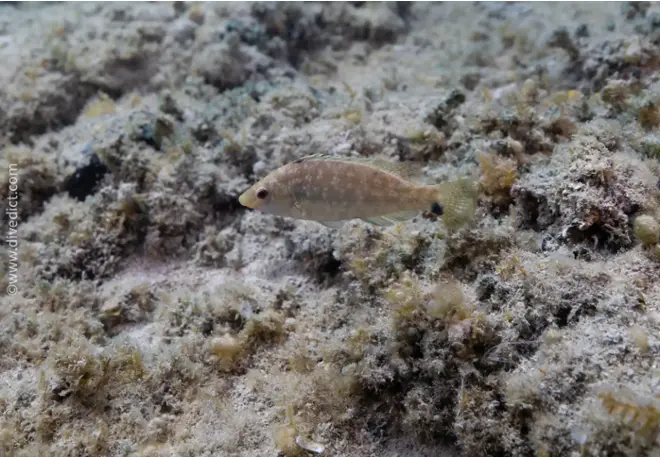
Females and young animals have a light gray to light brown base color with two brown longitudinal stripes along the body.
Males are a bit more strikingly colored, especially during the breeding season — yellowish and with light and dark spots. The cheeks are striped with light blue.
Natural enemies
Predatory fish
Dangerous/venomous
The gray wrasse is neither dangerous nor venomous.
Sketch
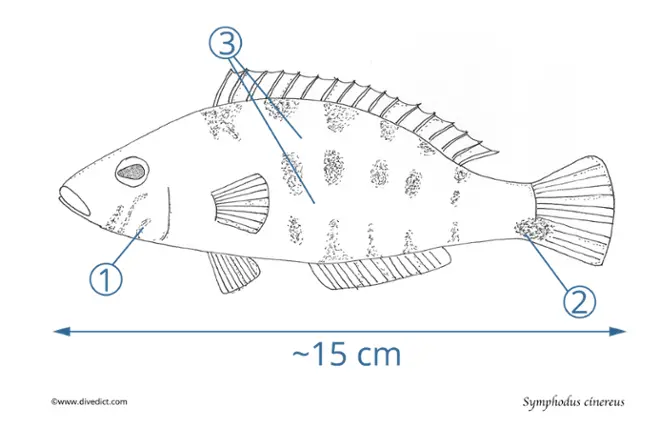
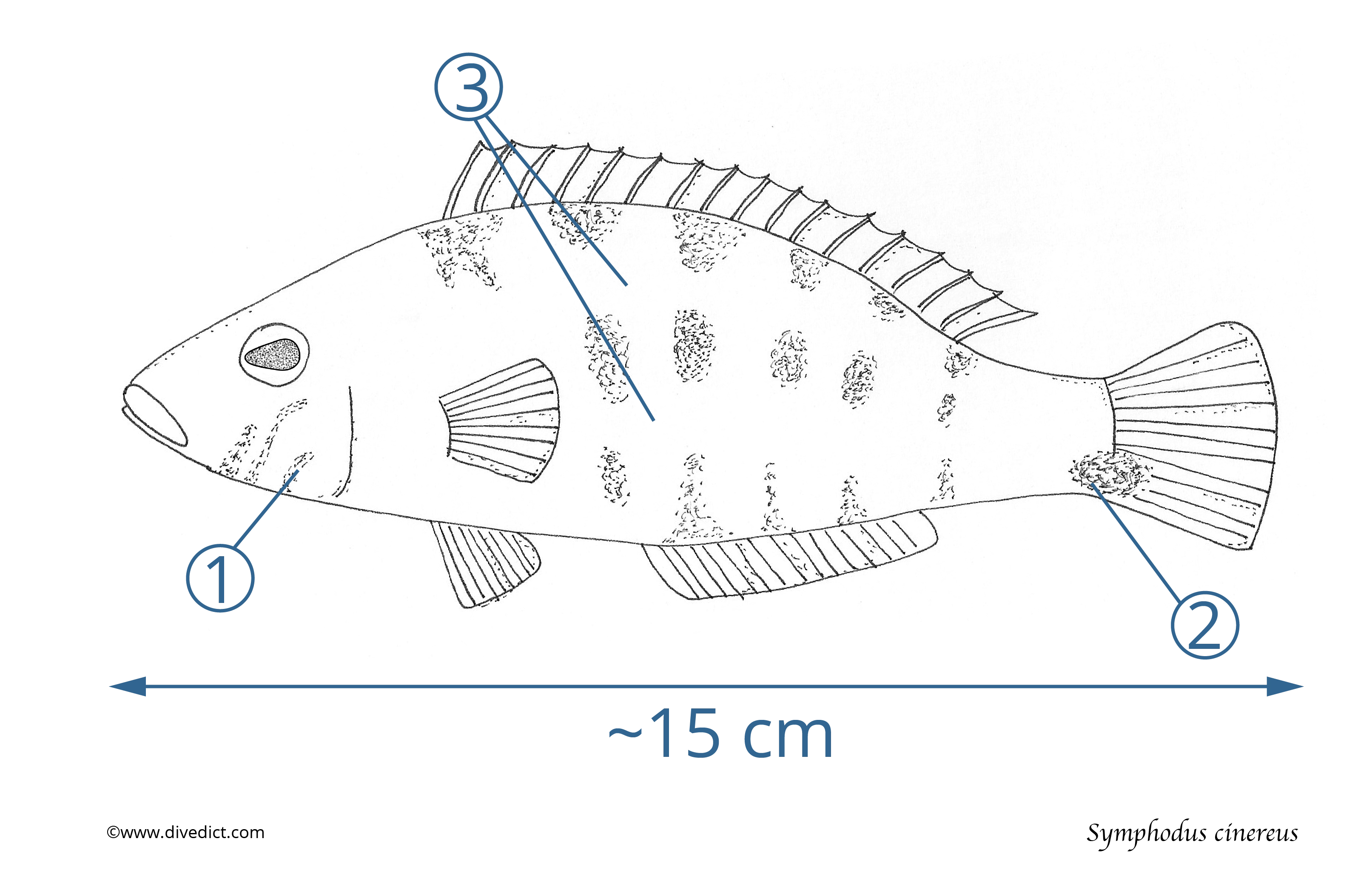
1. Blue drawing on the head
2. Black spot at the beginning of the caudal fin
3. Two brownish stripes
Pro tips
The gray wrasse is usually found in environments that are rich in nutrients.
These can be estuaries and the shallow intertidal zone.
There, they swim around in groups, hunting for shrimps and other small crabs, snails, and mussels.
Between April and July, males build nests from mussel shells, seagrass, and small stones in the sandy soil.
Text: Carolina Leiter, Felician Hosp, Pia Balaka
Pic: Felician Hosp, Sabine Probst
Illustration: Dive Dict