
Life in Water in Motion
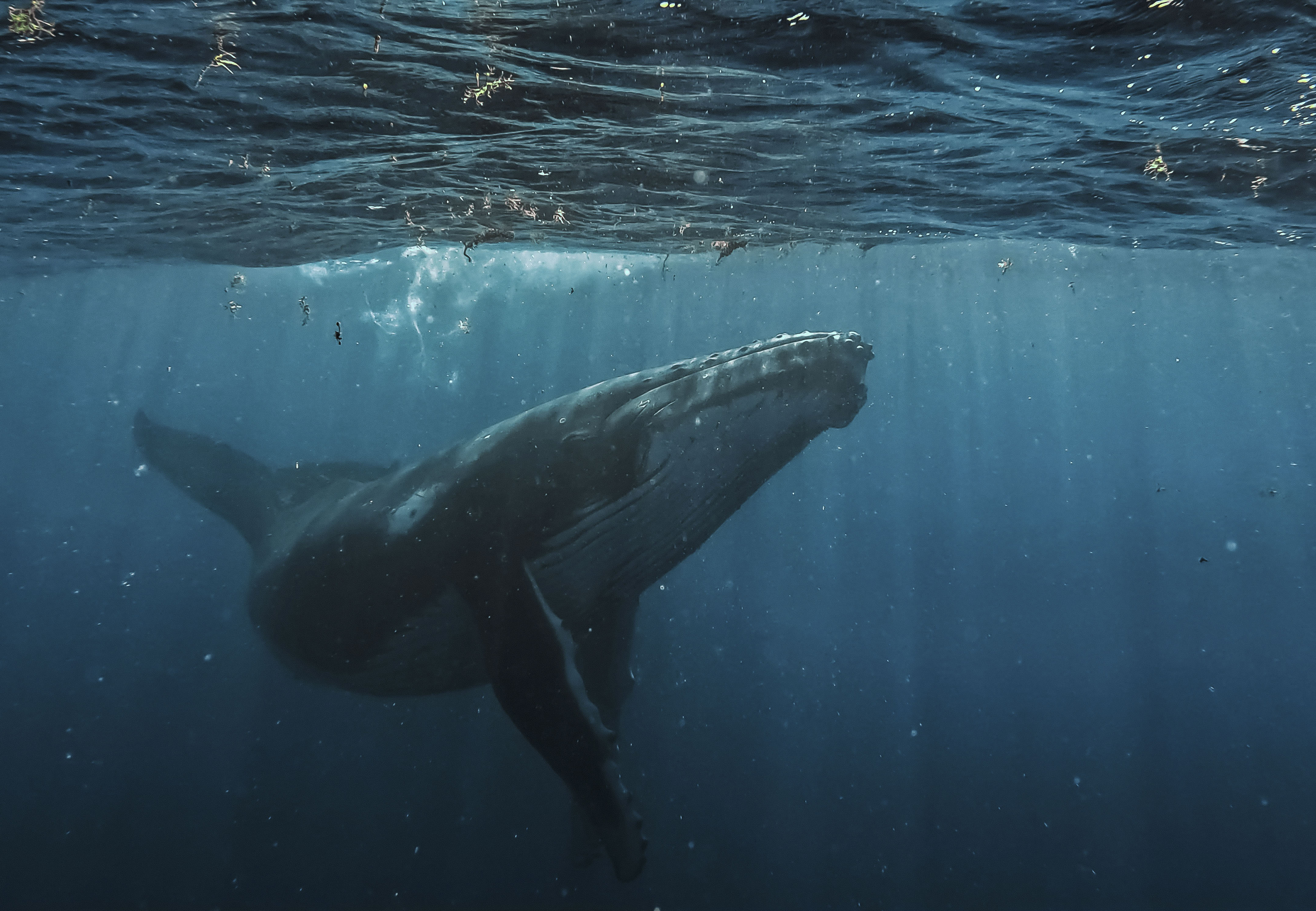
Even beneath the ocean surface, there are great migrations. The leatherback turtle travels thousands of kilometers between nesting beaches and feeding grounds. The bluefin tuna crosses entire oceans in search of prey. And even the mighty humpback whale travels yearly between cold feeding waters and warm breeding areas.
Why do they migrate?
It is mostly about food, temperature, or reproduction. In cold, nutrient-rich waters, many species find plenty of food in summer. However, for giving birth to their young or spawning, they seek warmer regions. Migration increases their chances of survival and those of their offspring.
Why do other species stay?
Some marine animals find sufficient food in one area all year round. If currents, temperature, and food availability remain stable, a long migration is unnecessary. Every journey costs energy and carries risks from predators or human influences.
Migration in the sea is therefore an adaptation to changing environmental conditions – a balance between effort and benefit.