

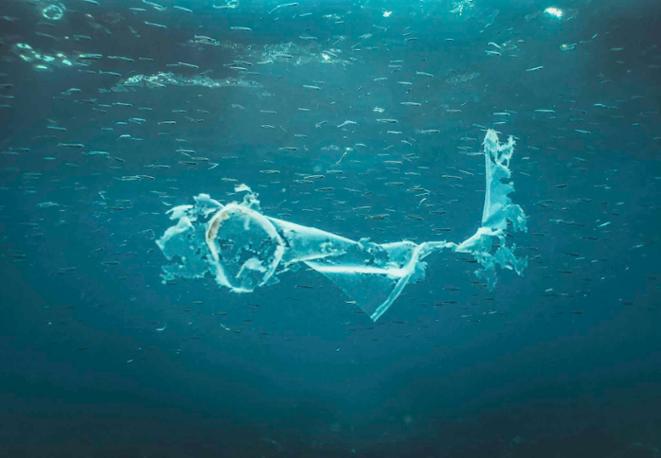
Hidden consequences of plastic pollution
Recent research shows that microplastics impair the ability of the oceans to absorb carbon dioxide—a central process for regulating the Earth's temperature. The particles disrupt phytoplankton and zooplankton, which are key players in the marine carbon cycle, and can even release greenhouse gases during decomposition.
The role of the plasticsphere
Microplastics additionally contribute to greenhouse gas production through colonization by microorganisms that affect the carbon and nitrogen cycles. This shows how closely plastic pollution and climate change are linked.
Call for integrated action
The study emphasizes that plastic pollution and climate change must be tackled together. Measures such as reducing single-use plastics, improving waste management, developing bio-based alternatives, and researching the climate impact of microplastics are urgently needed to protect oceans, biodiversity, and human food security.