
Underwater Etiquette 101
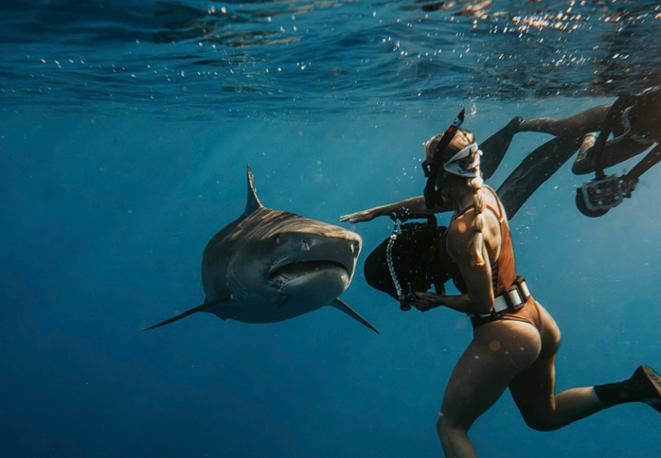
Diving into the underwater world is like visiting someone else's home. Every reef section, every wreck and every kelp forest is a sensitive system in which even the smallest disturbances can have major effects. As divers, we have a special responsibility: to enjoy the ocean without harming it. This is how you become a respectful guest below the surface:
1. Keep your distance
Admire marine life from a distance. Getting too close can trigger stress, interfere with mating or feeding behavior, and even cause defensive reactions.
2. Never touch or hold marine life
turtles, octopuses, starfish, even corals — touching them can damage sensitive tissue or protective layers. Some animals also carry bacteria that can also be dangerous to you.
3. Respect cleaning stations
If you see fish or turtles at cleaning stations, keep your distance. Interrupting this essential process can impact their health.
4. Move slowly and calmly
Sudden movements can startle marine life or stir up sediment. Glide gently, control your fins, and avoid frantic swimming.
5. Keep Noise to a Minimum
Banging tanks to attract attention or using loud devices can disrupt animal behaviour. Enjoy the underwater sounds, it’s part of the magic of diving.
6. Never Block or Chase Animals
Allow creatures to choose their path. Never corner, block, or chase fish, turtles, or rays for a better photo. It stresses them and can lead to injury.
7. Respect breeding and nesting sites
If you notice fish guarding eggs or building nests, stay well clear. Disturbance can lead to abandonment of nests and loss of future generations.
8. Do not stand or kneel on the ground.
Seagrass beds and sandy areas often shelter life. Kneeling can crush small organisms. Practice buoyancy to avoid resting on the substrate.
9. Avoid Feeding or Luring Animals
Artificial feeding changes natural behaviour and makes marine life dependent on humans an unhealthy and dangerous habit.
10. Be a role model
Your actions underwater set the tone. Other divers often follow what they see. Show care and respect; your influence matters.
The ocean is not an aquarium — it is a living, breathing world. Enter it with humility, leave it full of wonder and ensure that its inhabitants remain undisturbed by your visit.