
Reef Safe Sunscreen?
Sunscreen protects your skin, but some ingredients can harm the reefs you dive to explore. In the Mediterranean, where fragile ecosystems are already stressed by warming waters and pollution, choosing the right sunscreen is a simple but powerful way to protect marine life.
1. What Makes Sunscreen Harmful?
Common chemical UV filters like oxybenzone, octinoxate, and benzophenone absorb sunlight but can cause coral bleaching and disrupt marine life reproduction even in tiny amounts.
2. Mineral-Based Sunscreens Are Bette
Ingredients like zinc oxide and titanium dioxide reflect UV rays physically, and when non-nano sized, they are less likely to harm corals. These sunscreens are generally safer for marine environments.
3. Beware of “Reef-Safe” Labels
The term isn’t regulated, so not all products claiming “reef-safe” are truly harmless. Check ingredient lists carefully. Avoid chemical UV filters known to be toxic.
4. Use Sunscreen Sparingly
Apply sunscreen on land before your dive whenever possible to minimize direct wash-off into the water.
5. Complement Sunscreen with Protective Clothing
Long-sleeve rash guards, hats, and dive skins provide physical barriers against UV, reducing the need for sunscreen.
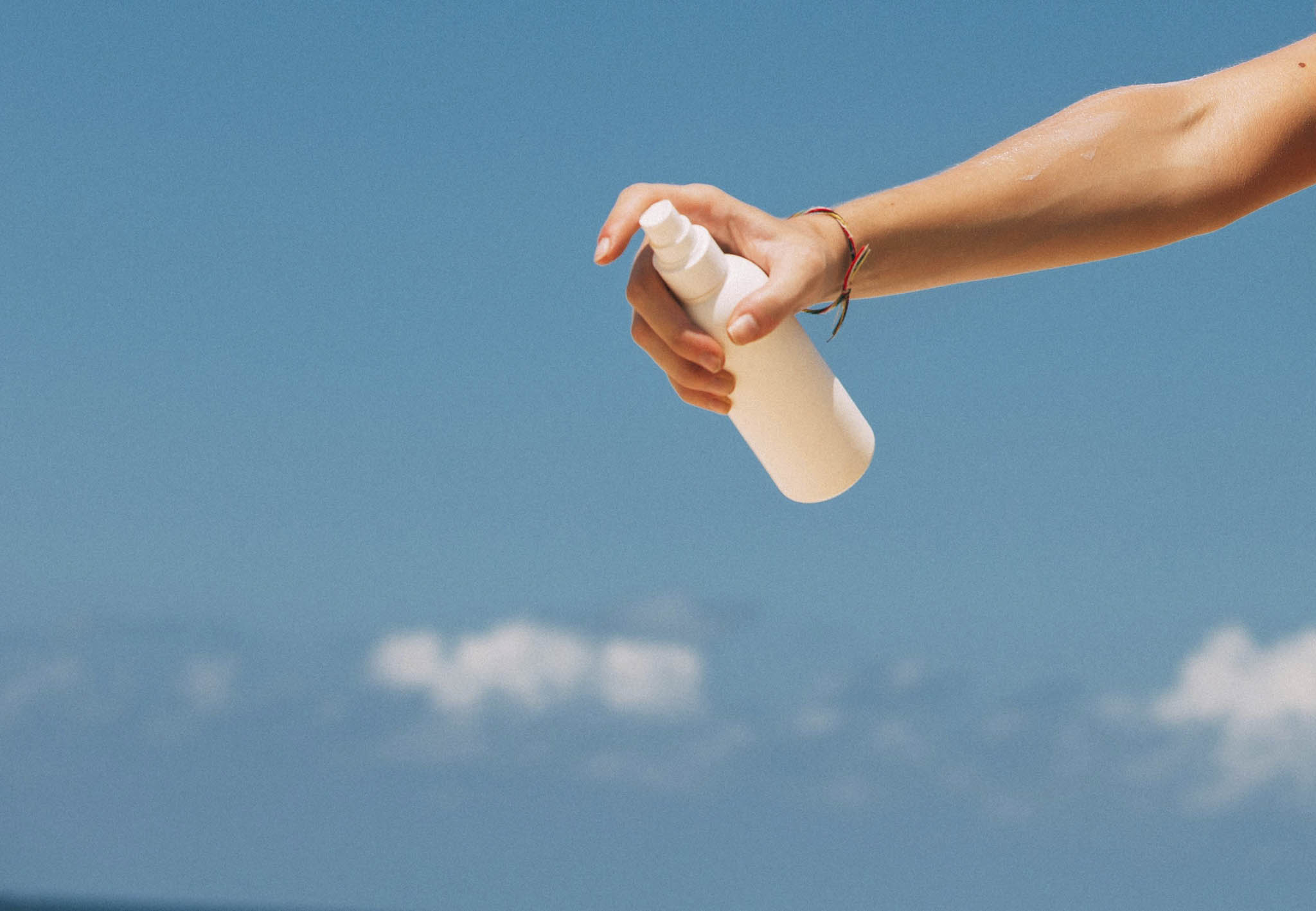
6. Avoid Spray Sunscreens
They tend to be inhaled and can disperse more into the environment. Stick to creams or lotions with safe ingredients.
7. Follow Local Regulations
Some Mediterranean regions have banned harmful sunscreens to protect marine parks. Respect these rules, they’re based on science.
8. Consider Other Environmental Impacts
Choose biodegradable and packaging-conscious products to reduce waste and pollution further.
9. Spread Awareness
Encourage fellow divers and beachgoers to choose reef-friendly sunscreens. Collective action amplifies impact.
10.Remember: Protection and Conservation Go Hand in Hand
Healthy skin and healthy reefs both matter. With mindful choices, you can protect yourself while preserving the underwater world you cherish.