
Pro level snorkeling
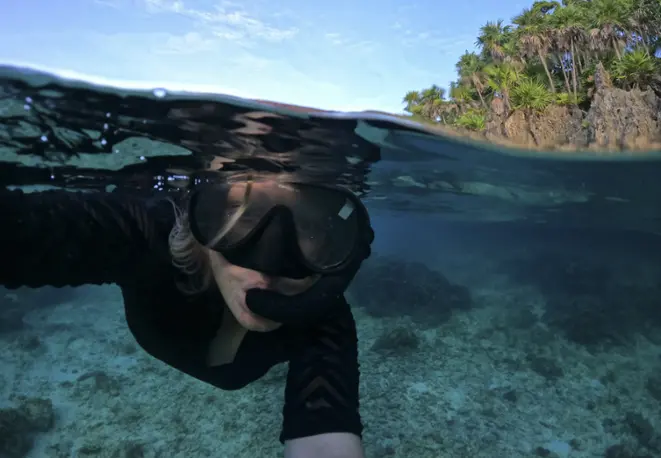
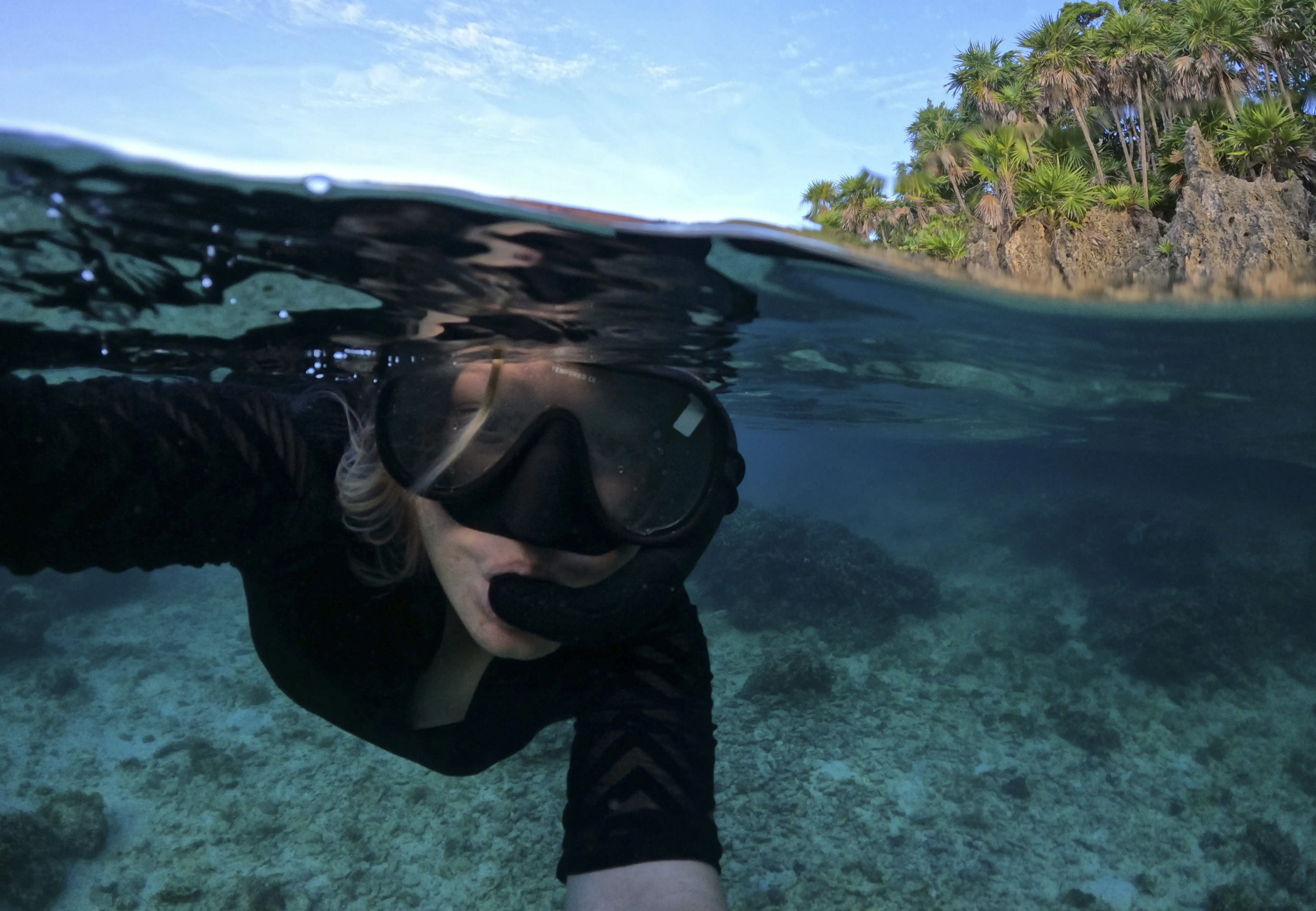
You don’t always have to dive deep—sometimes the beauty is just beneath the surface. We’re here to show you how to take your snorkeling experience to the next level.
The right fins make all the difference when snorkeling.
Snorkeling fins typically have shorter blades than scuba fins, making them lighter and easier to handle. They provide enough thrust without tiring you out too quickly.
Look for fins made from medium-stiff rubber or plastic—they strike a good balance between efficiency and comfort, so you don’t get exhausted too fast.
Fins with channels and slits guide the water flow better, boosting your propulsion and making your kicks feel less strenuous.
Side-rail fins, on the other hand, are especially useful if you’re snorkeling in strong currents—they give you extra stability and control.
Open-heel fins are great for colder waters because you can wear neoprene socks with them.
In warmer waters, full-foot fins (with closed heels) work perfectly fine.
Of course, you’ll also need a snorkel.
Did you know there are different types of snorkels? Here’s a quick overview:
The classic J-snorkel:
The good old plastic tube with a soft mouthpiece.
Pros: The most affordable option and perfect for beginners.
The flexible snorkel with purge valve:
As the name suggests, it has both flexible and rigid sections and a one-way valve at the bottom to make clearing water easier.
Pros: Flexible design, easier to blow out thanks to the valve, and more comfortable to wear when not in use (it can hang away from your face). This type is also popular with scuba divers.
The semi-dry snorkel:
A hybrid between the classic and the dry snorkel, it has a splash guard and sometimes a flexible tube and purge valve.
Pros: The splash guard helps keep water out from above, so you don’t get as wet.