
Microplastics Threaten Marine Protected Areas
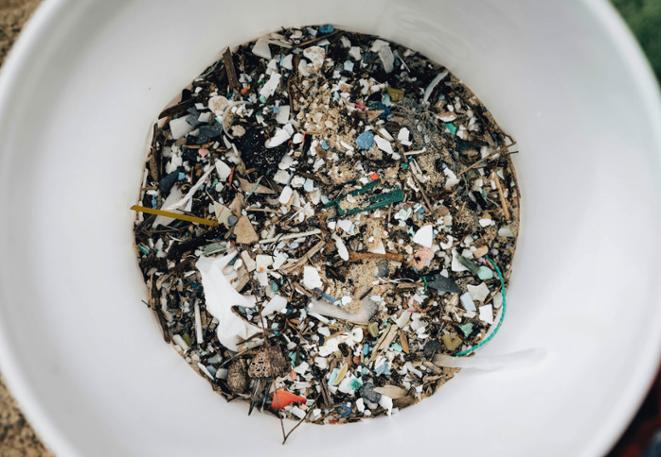
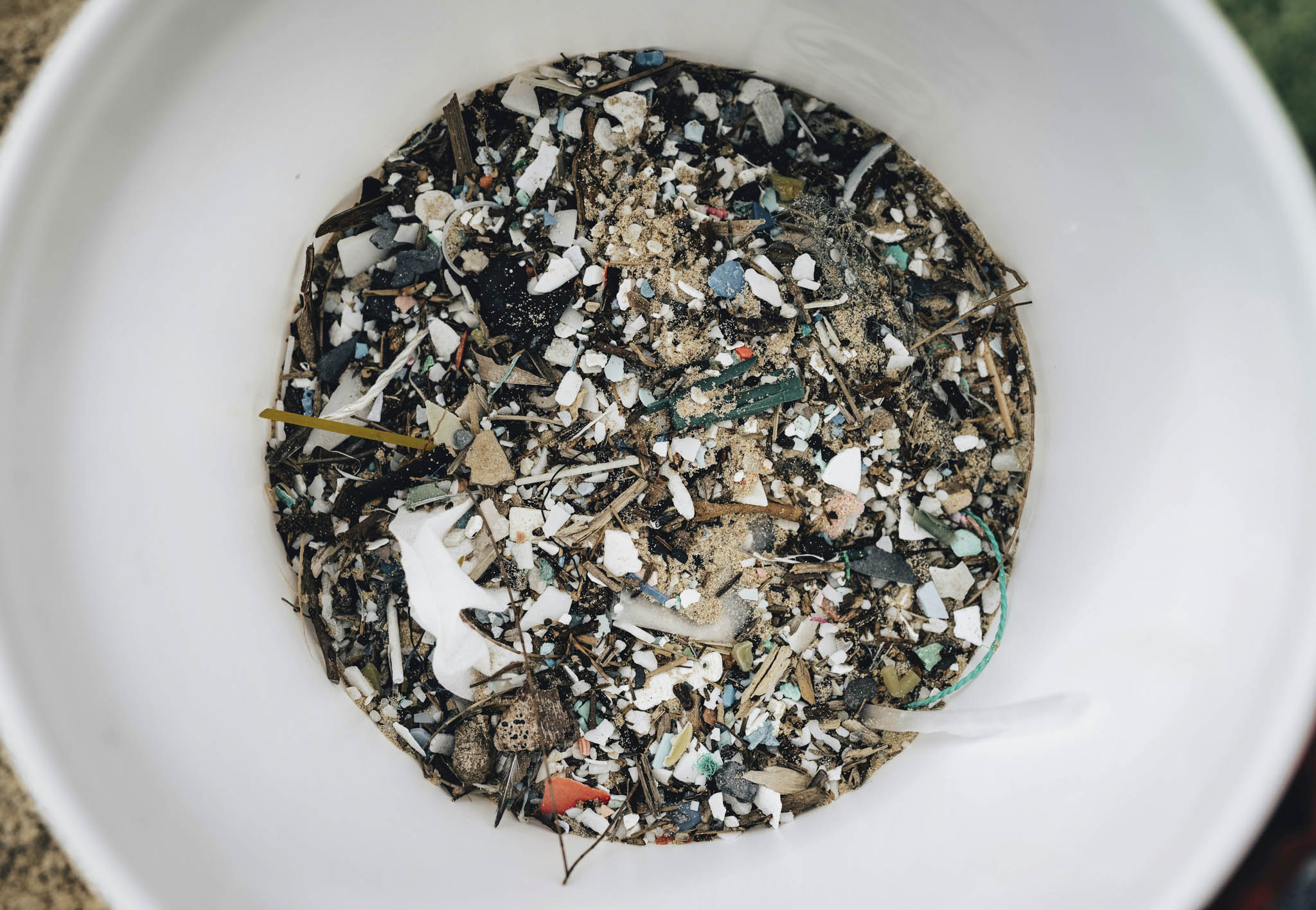
No Boundary is Safe Despite their role in conservation, Marine Protected Areas (MPAs) are increasingly polluted by microplastics, tiny plastic particles that cross borders via ocean currents.
Galapagos Case Study Even in the well-protected Galapagos, high microplastic levels have been found in critical habitats, impacting species like hammerhead sharks and marine iguanas.
Pollution Without Borders Waste from distant coasts and fishing fleets enters MPAs. UV exposure accelerates plastic breakdown, worsening the issue in equatorial zones.
Science and Solutions Researchers are mapping plastic flows, targeting vessel-based paint particles, and supporting interventions like river barriers and biodegradable alternatives.
Global Change Needed Local efforts help, but scientists warn that only international cooperation and upstream action can stop microplastic pollution at its source.