
Interpreting Marine Animal Behavior
Every dive is full of stories, but only if you know how to read them. Fish, turtles, crustaceans, and even corals have behaviours that tell us what’s happening in their world. Understanding these patterns not only makes your dives more fascinating but also helps you avoid disturbing critical moments in marine life.
1. Courtship and Mating
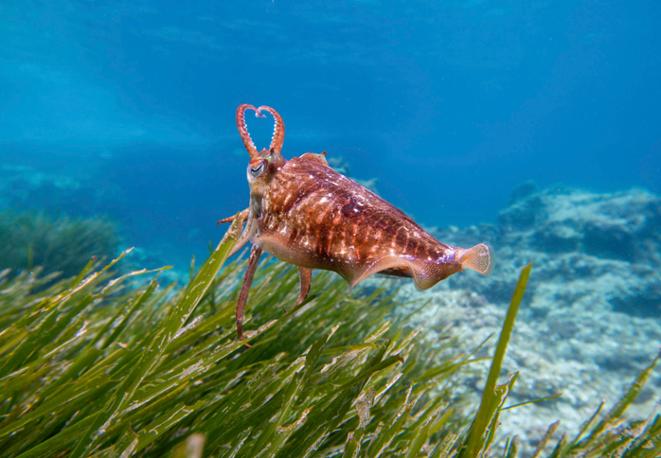
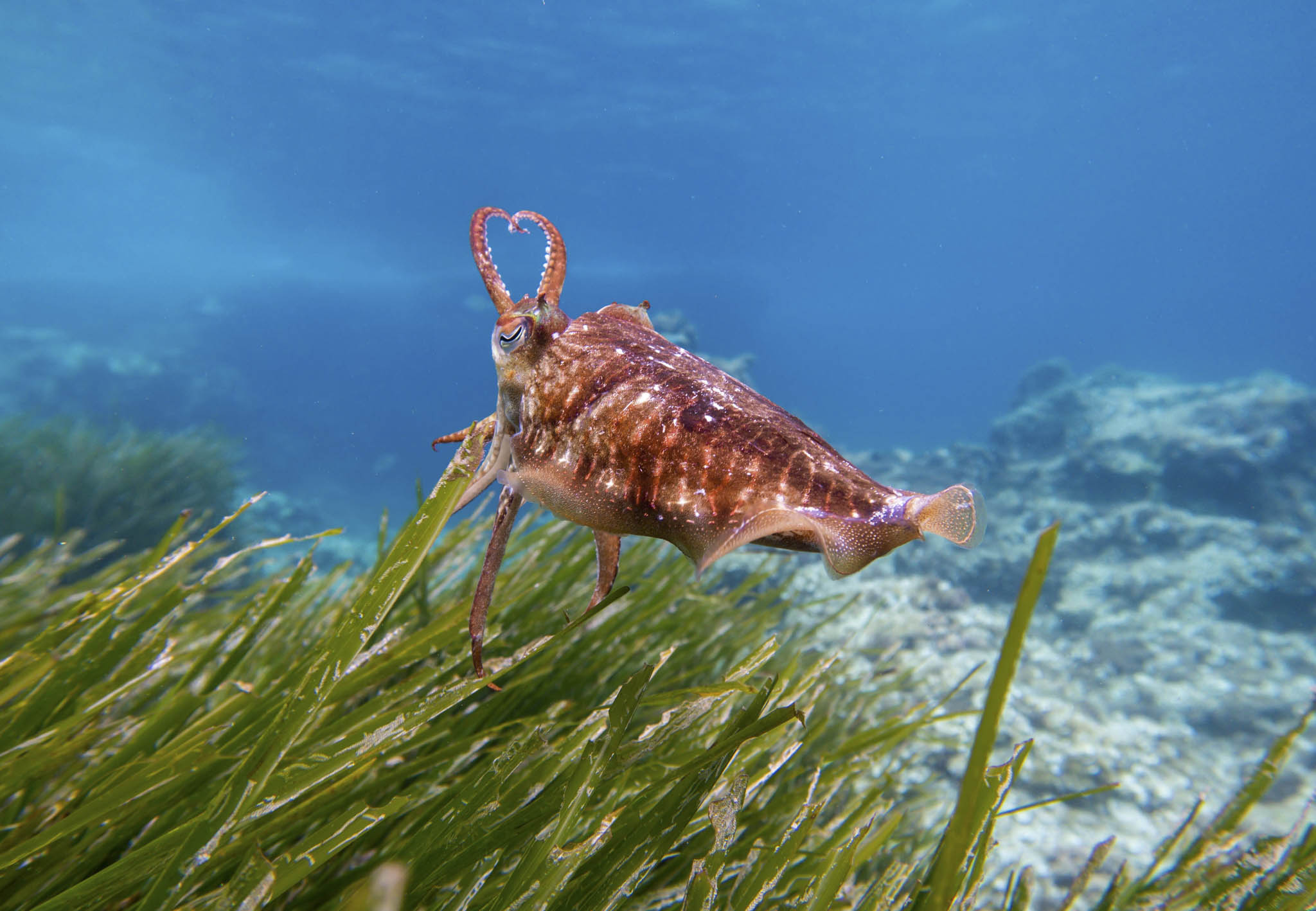
Bright colours, chasing, or elaborate dances often mean mating is underway. For example, wrasses perform spiraling ascents in pairs, and cuttlefish flash vibrant displays to attract partners. If you see this, observe quietly from a distance.
2. Nesting and Egg Guarding
Many species guard their eggs fiercely. Damselfish, for instance, protect tiny egg patches on rocks and will dart aggressively toward divers. Avoid hovering close to nests to prevent stress or abandonment.
3. Cleaning Stations
Small fish and shrimp clean parasites from larger species like groupers or turtles. If you notice a gathering of fish hovering motionless near coral or rocks, it’s likely a cleaning station. Keep your distance; interrupting this process can harm the animals’ health.
4. Feeding Behaviour
Grazers like parrotfish scrape algae from coral, while predators like barracuda stalk quietly in open water. Avoid interfering, chasing, or flashing lights that can disrupt feeding patterns.
5. Territorial Displays
Some species, like clownfish or triggerfish, fiercely guard their home turf. Signs include flared fins, quick darting, or charging. Respect their space; move away rather than provoking aggression.
6. Camouflage and Hiding
An octopus changing colour or shape isn’t just showing off, it’s trying to stay safe. Disturbing or poking hidden animals forces them to expend energy and increases stress.
7. Schooling and Shoaling
Large groups of fish swimming in unison often indicate safety in numbers against predators. Avoid cutting through schools; this can scatter and stress the fish.
8. Resting Behaviour
Turtles resting on the reef or sharks lying motionless in sandy areas need this downtime for energy balance. Never approach too close, give them space to rest undisturbed.
9. Aggression Signals
Fish that lower fins, open mouths, or perform rapid dashes are warning you to back off. Respect their boundaries for your safety and theirs.
10. Document Responsibly
By learning the language of the ocean, you transform every dive into more than sightseeing, it becomes understanding. And with understanding comes respect.