
Identify reef stress and damage
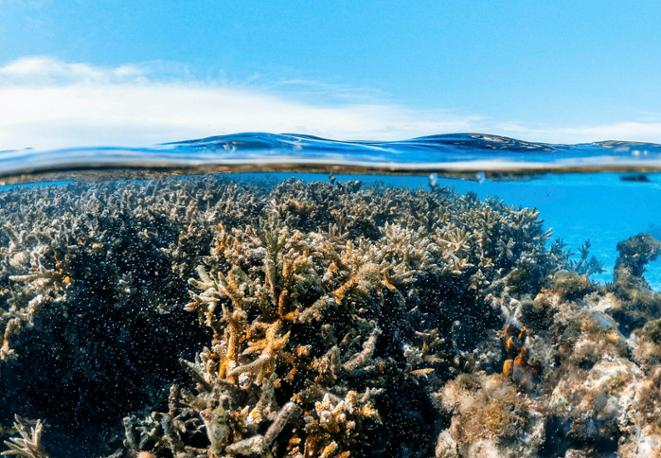
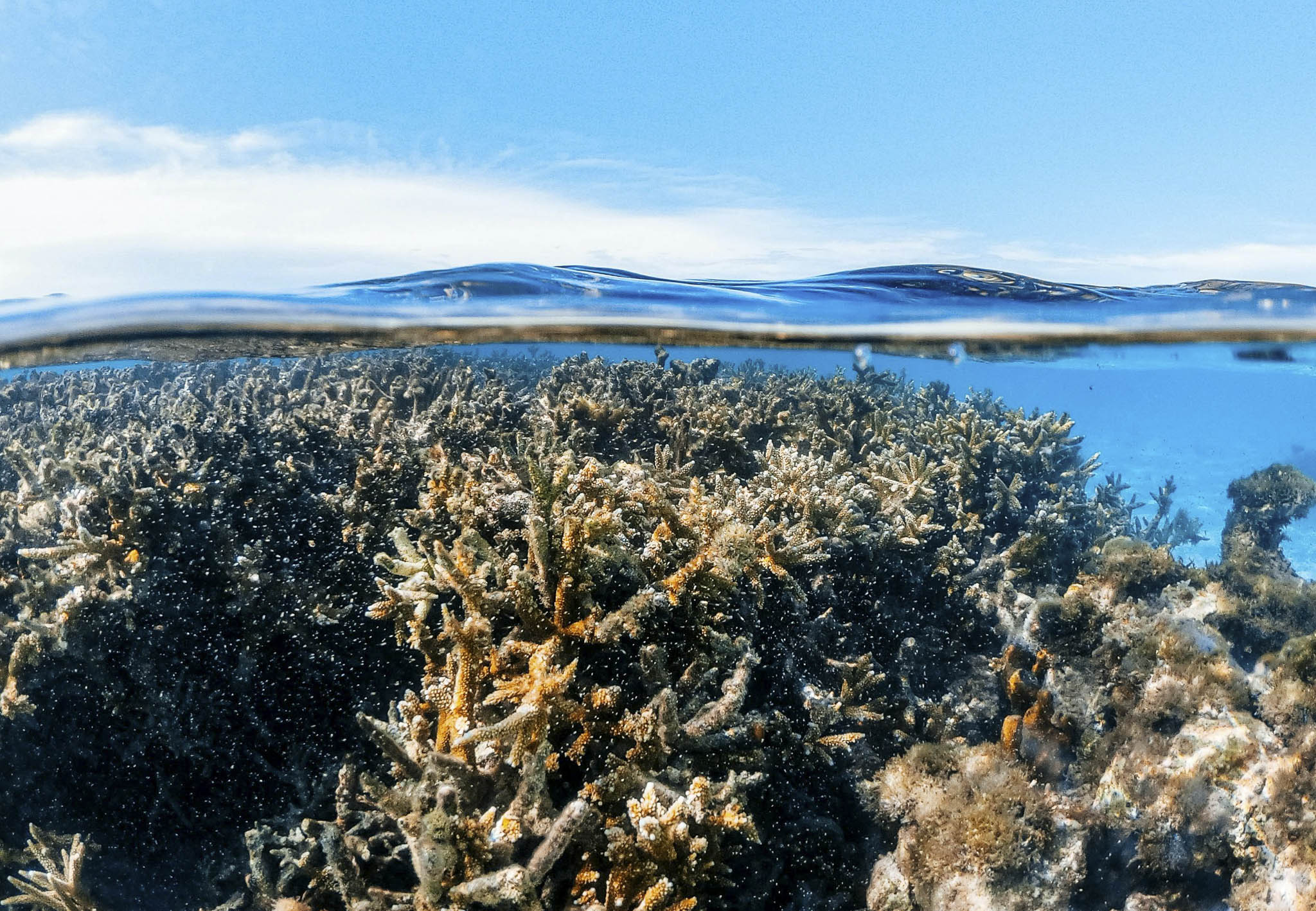
As divers, we are the eyes of the ocean below the surface. Many of the early signs of problems in marine ecosystems remain hidden from most people — but not us. If you know what to look out for, you can identify problems early on and help protect the reefs. This is how you can tell when a reef is in need:
1. Coral bleaching
Healthy corals live in symbiosis with algae, the so-called zooxanthellae, which give them their bright color. When stressed — usually due to heat — the corals repel these algae and turn white. A completely white reef is not healthy, but in survival mode and threatened with death.
2. Excessive algae growth
A reef that is overgrown by green or brown algae is a warning sign. This often indicates a lack of herbivorous fish or nutrient contamination from the land. Algae do occur in healthy reefs, but corals should dominate.
3. Broken or scattered coral
Coral fragments on the seafloor can indicate storm damage, anchor impacts or careless divers. Repeated damage prevents regeneration and can lead to reef collapse.
4. Decline of marine life
An empty reef is a silent alarm. A sudden decline in fish or invertebrates may indicate overfishing, habitat loss, or water quality issues.
5. Mucus or diseases on corals
Look for black, white, or yellow stripes, lesions, or mucus on the coral surface. These signs point to diseases that are spreading in stressed reefs.
6. Unusual sediment clouds
If you notice heavy sediment deposits on corals, this may indicate dredging or coastal construction. Sediments block light and suffocate sensitive polyps.
7. The presence of invasive species
In the Mediterranean or the Caribbean or certain types of lionfish are invasive and harmful to native species. Discovering and reporting them is critical.
8. Garbage or lost fishing gear
Plastic bags, abandoned nets or fishing lines endanger marine life and show human influence. Document and remove waste — but only if it is safe.
9. Bad smell or discolored water
Unusual smell or cloudy water may indicate contamination, waste water, or chemical discharges—a serious sign of reef hazard.
10. Report your observations
After the dive report to local dive centers or marine authorities. Divers are often the first to notice problems — and thus enable rapid countermeasures.