
How to Log a Dive for Science
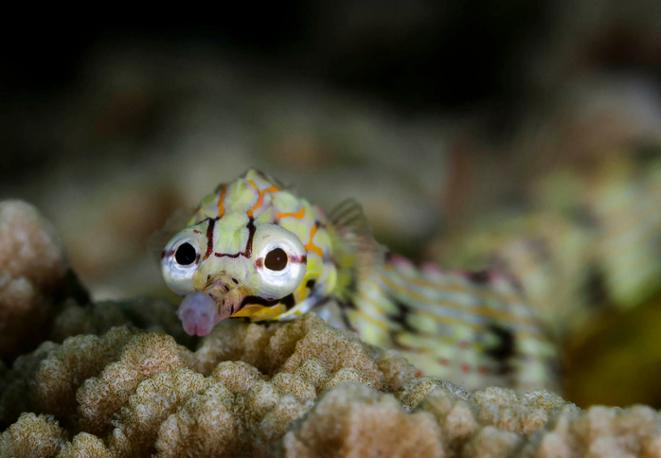
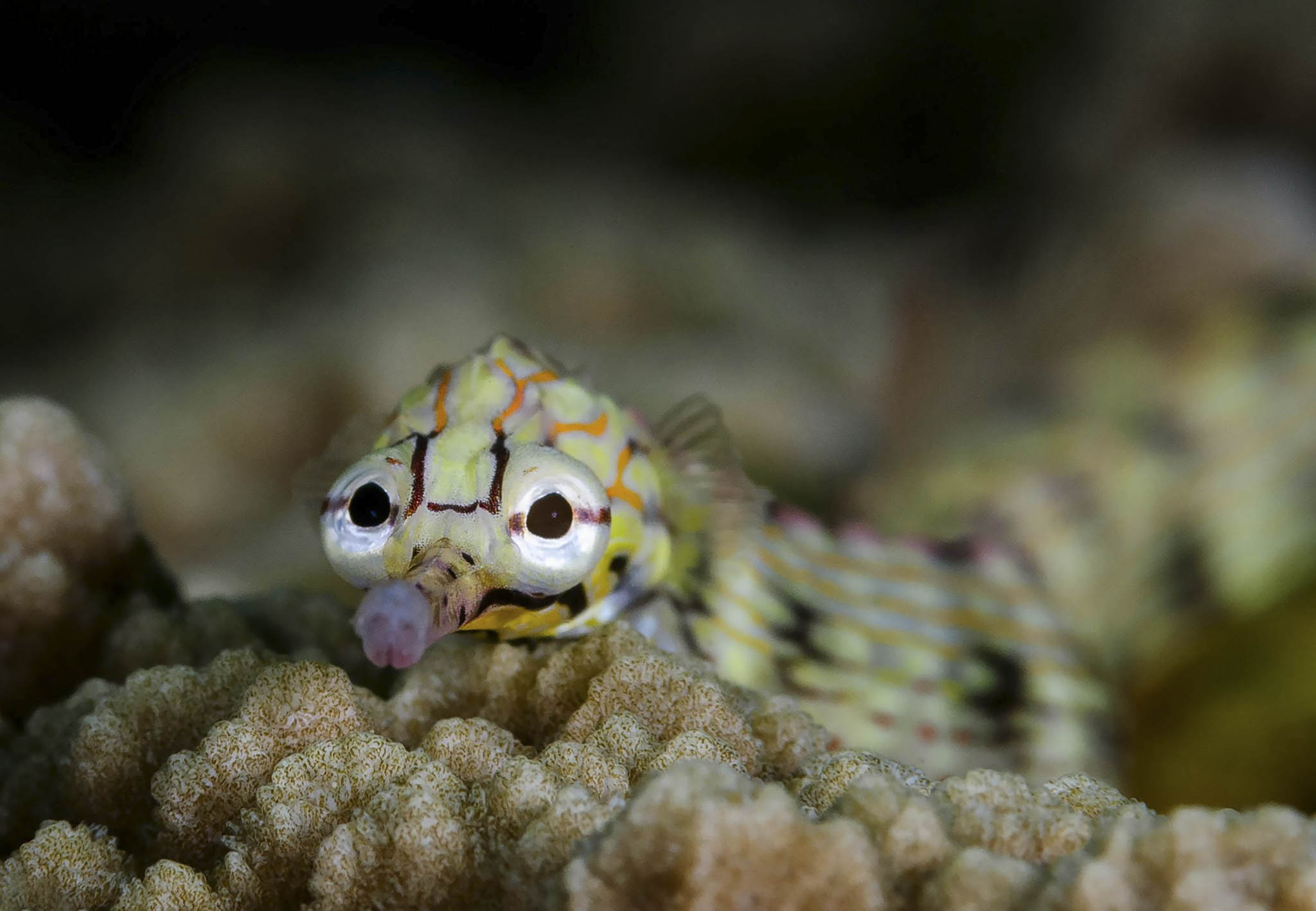
Your dive log is more than a personal memory; it can become a scientific tool. Accurate logs help track changes in marine ecosystems over time, from water temperature shifts to species sightings. Here’s how to turn your dive records into valuable data for conservation.
1. Note the Essentials
Always include date, time, location (with GPS if possible), depth, bottom time, and water temperature. These are fundamental for any scientific use.
2. Describe the Habitat
Was it a rocky reef, seagrass meadow, sandy bottom, or open water? Habitat descriptions help researchers understand species distribution.
3. Record Visibility and Current
Visibility, currents, and sea state can indicate environmental conditions and influence animal behaviour.
4. Identify the Species You See
List fish, invertebrates, and plants. Even common species matter; absence or abundance can signal ecosystem shifts. Use guides to improve accuracy.
5. Note Animal Behaviour
Mating, nesting, cleaning, or unusual behaviour? These observations provide insights into health and reproductive cycles.
6. Watch for Signs of Stress
Coral bleaching, disease, algae overgrowth, or invasive species should be recorded. Detail severity and area covered if possible.
7. Document Pollution
Plastic waste, fishing gear, oil residue, note type, and amount. This data helps track sources of marine litter.
8. Add Photos for Reference
Images support your notes and allow experts to verify sightings. Ensure ethical photography: no disturbance for a picture.
9. Be Consistent
Make logging a habit after every dive. Over time, your records create valuable time-series data for climate and biodiversity studies.
10. Share Your Data Responsibly
Contribute your observations to conservation initiatives and make your data accessible so that different conservation initiatives can use it. Your logbook can tell the ocean’s story, page by page. By adding detail and accuracy, you transform personal notes into a resource for science and protection.