
Mediterranean limmpets
Vermetidae




Special features
Small but powerful: The teeth of limpets are the strongest known biological material on earth!
A total of 100 rows of teeth are reinforced with iron. They use them to scrape algae off rocks.
Appearance
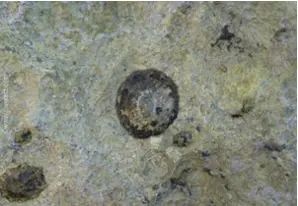
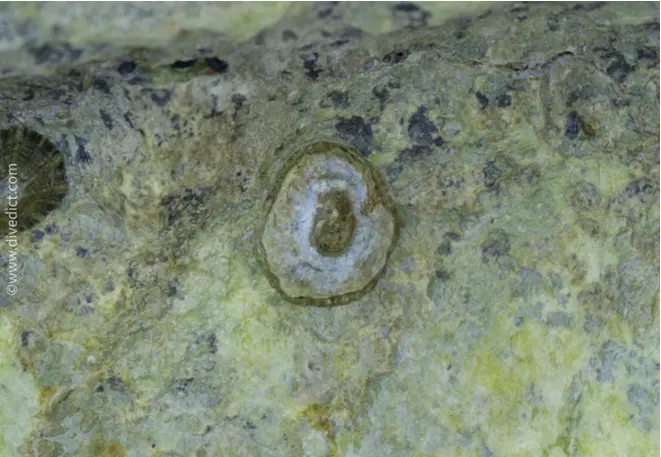
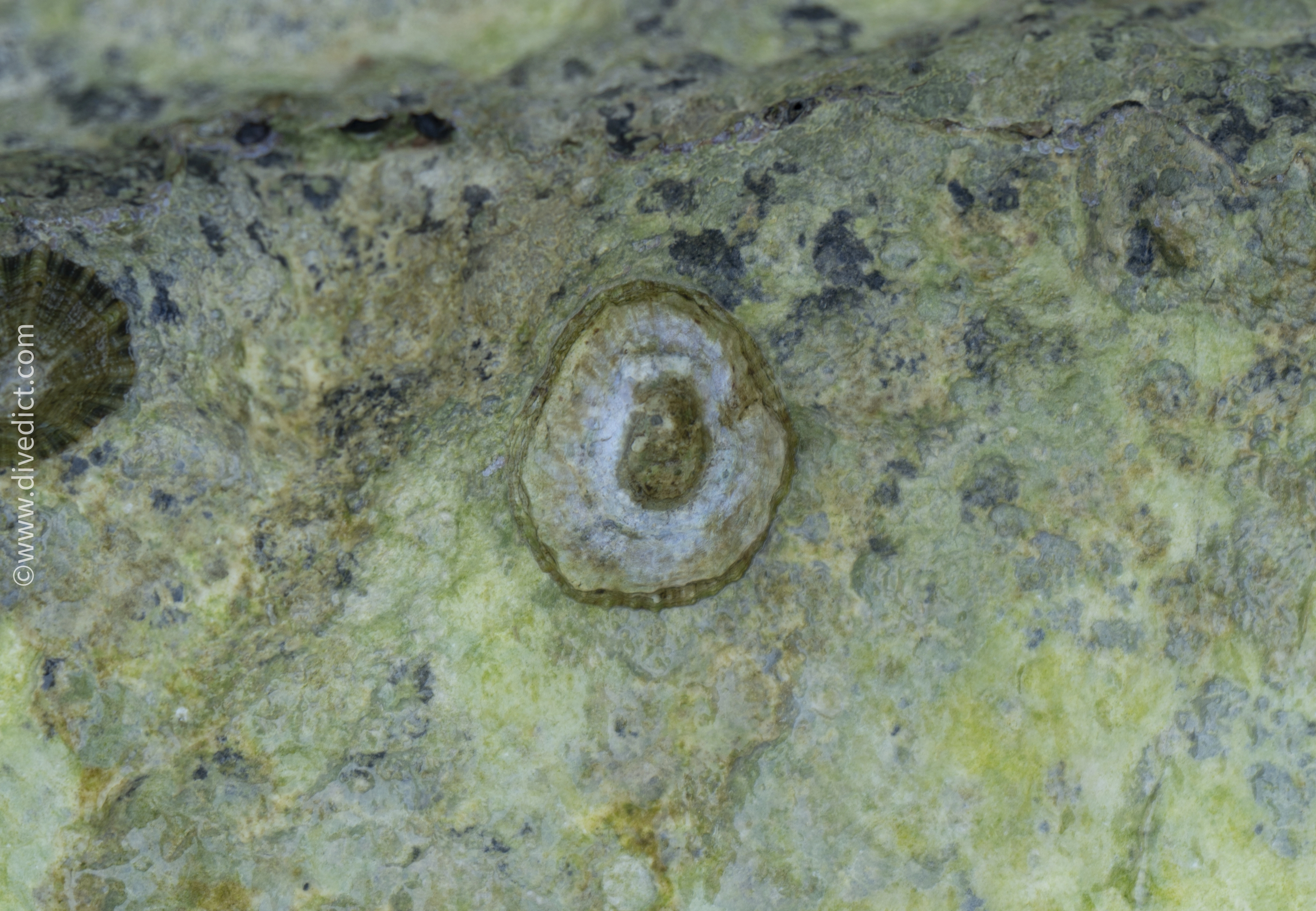
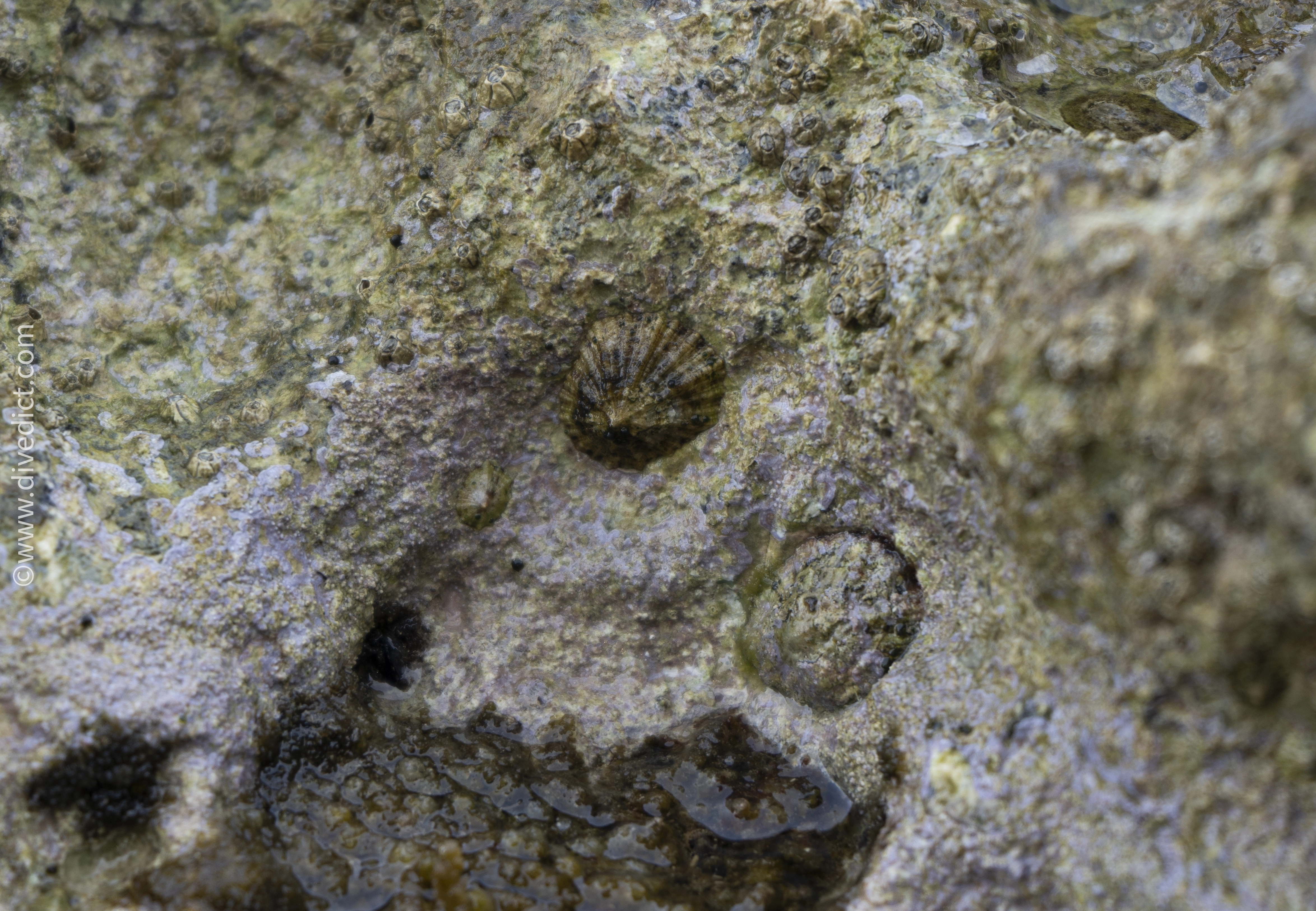
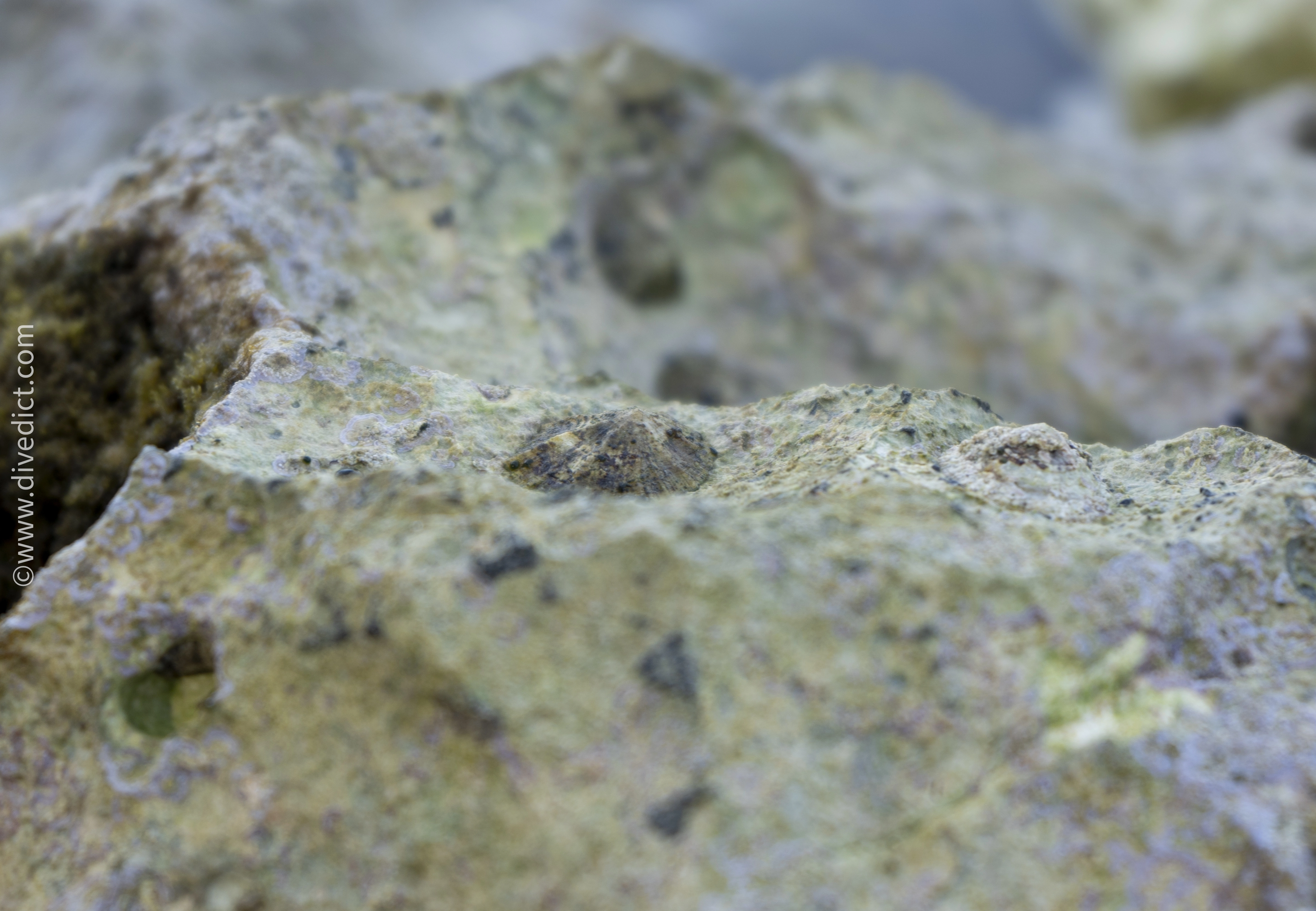
Limmpets don't look like ordinary snails with shells, because they have a flat to gut-shaped shell without turns.
This shell can have bulging ribs and growth strips, which are perfectly adapted from beige to brown to the stone background.
Her small, soft body, which is usually orange to gray, is hidden under this protective shield.
Natural enemies
Crabs, lobsters, starfish, seals, otters
Dangerous/Venomous
Limmpets are neither dangerous nor venomous.
Sketch
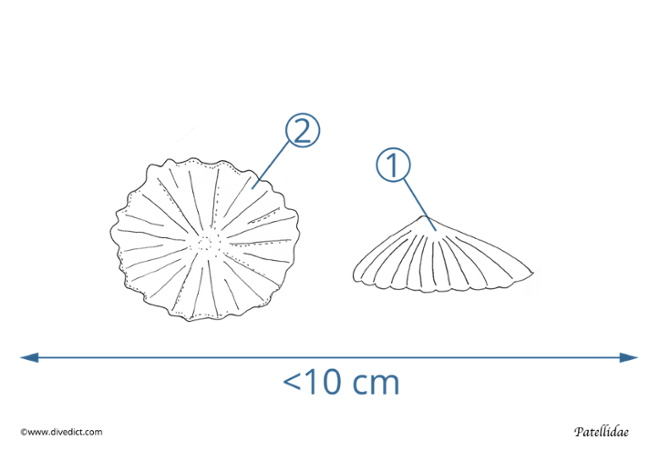
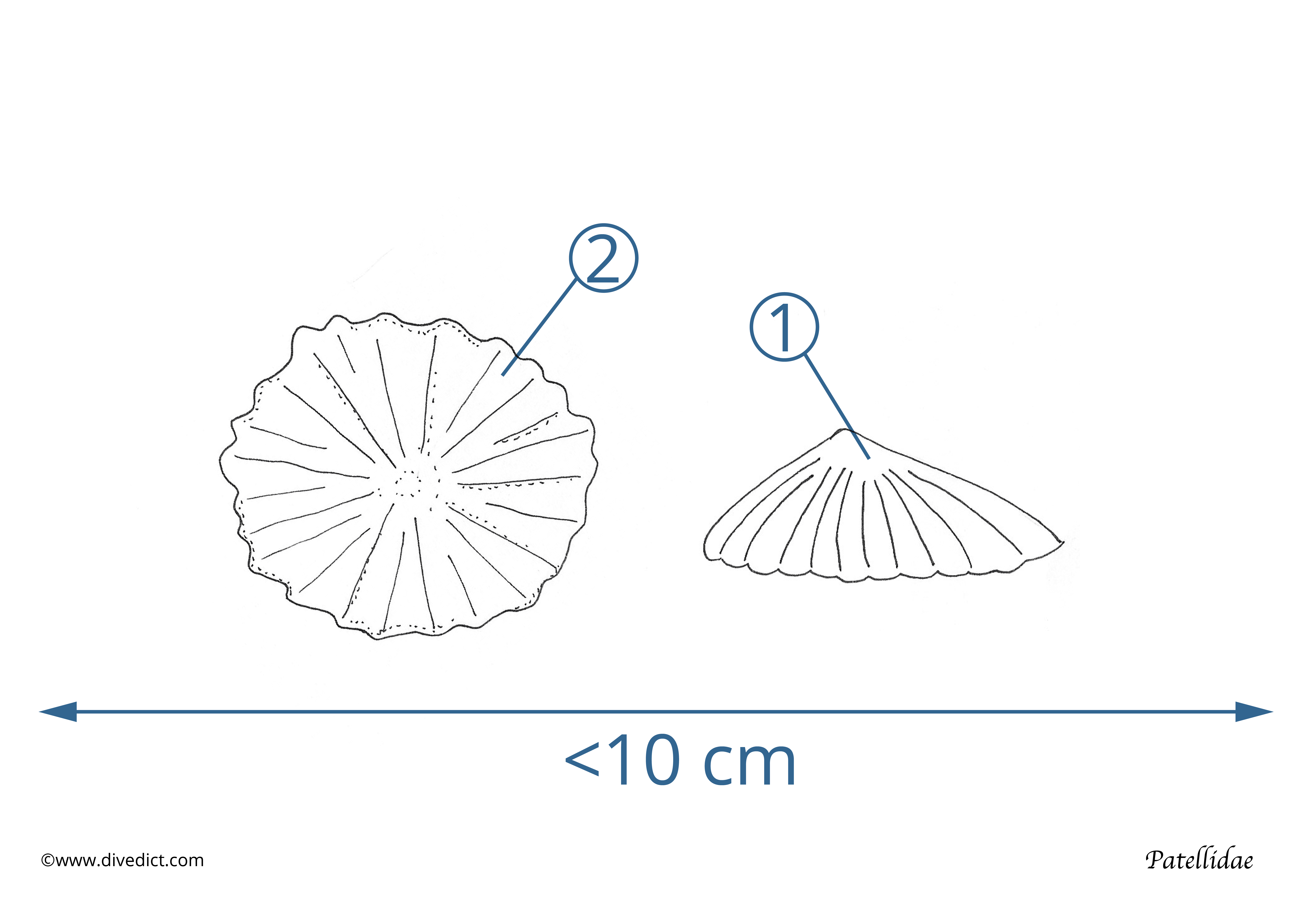
1. Gupf-shaped shell without coils
2. Growth strips
Pro tips
Limpets are the heroes of the intertidal zone, and they’re not afraid of harbor areas either.
One might almost think they are permanently attached to the rocks, but that’s not the case. Those are just their daytime shelters to prevent drying out at low tide.
And they even build these shelters themselves: They secrete acid, which they use to carve a suitable indentation into the rock for their body.
Afterward, they use their shell to grind the edges, rotating it back and forth. It seems as though they become one with the rock.
At night, they detach from their spot with their foot and crawl around to graze on algae.
If barnacles or mussels try to take over their sleeping spot during this time, the limpet drives them away by ramming them with its shell.
Text: Carolina Leiter
Pic: Felician Hosp, Sabine Probst
Illustration: Dive Dict