
Vanikoro Sweeper
Pempheris vanicolensis




Special Features
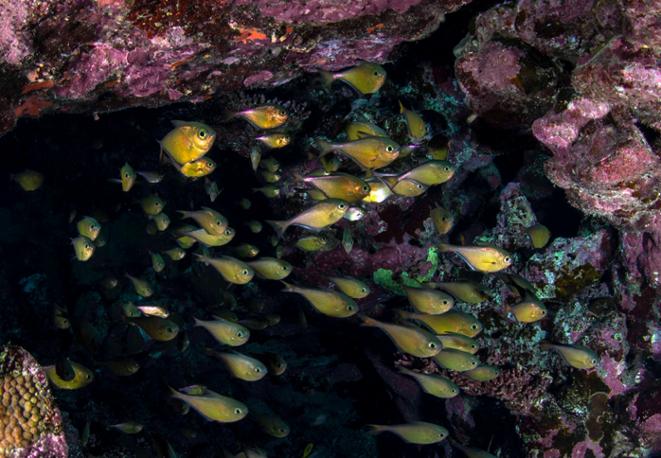
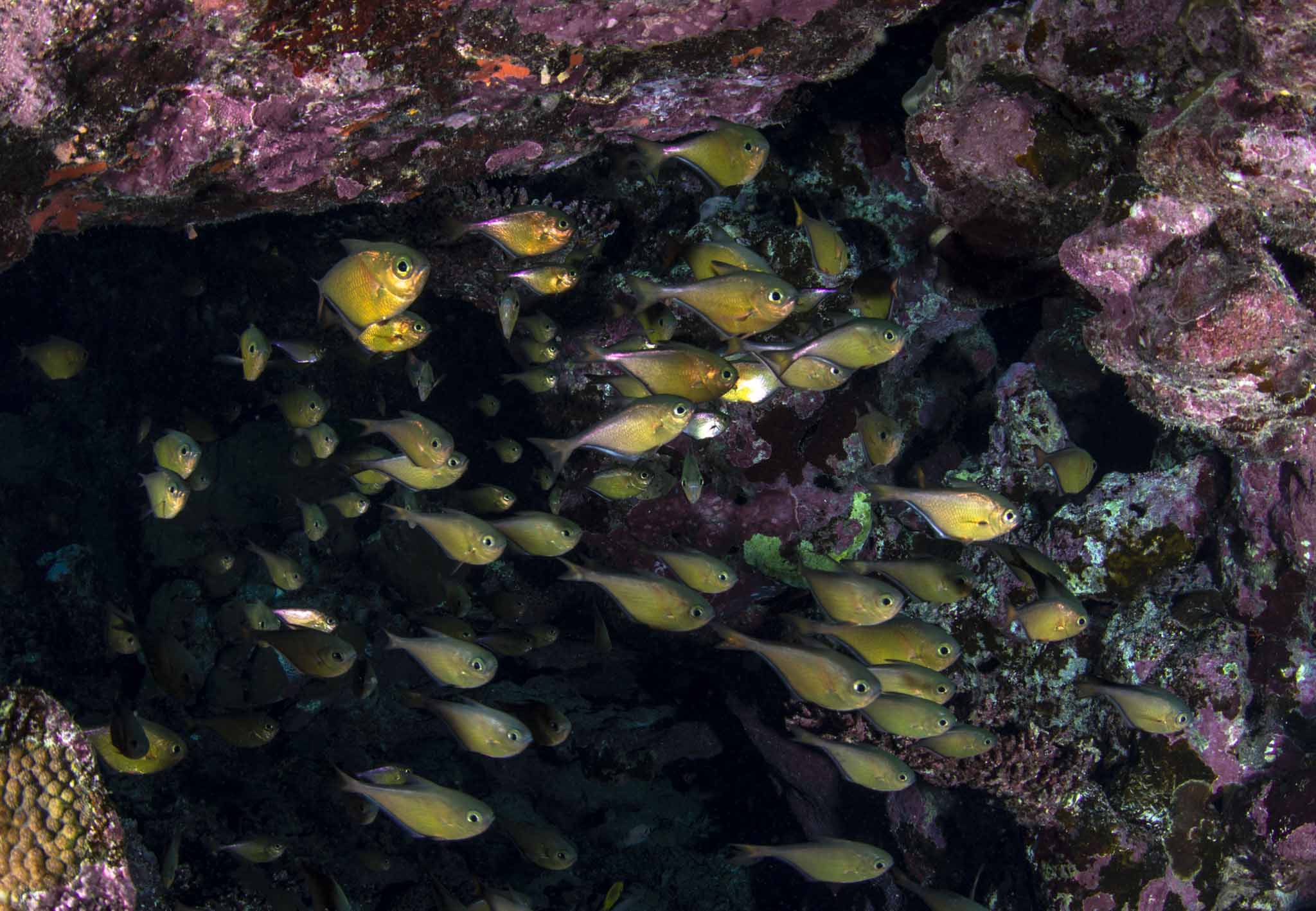
During the day, the Vanikoro Sweeper stays in groups under overhangs, caves, or wrecks to seek shelter. Pempheris swims at night in schools above the reef, sweeping through the water like with a broom, collecting plankton from the open water, thus "sweeping" up the small organisms. That's how it got its name.
Appearance
Pempheris vanicolensis, the Vanikoro Sweeper, is a small, laterally compressed reef fish with large eyes and a greenish shimmering back. The pectoral fins are yellowish, the dorsal and anal fins have dark edges, and the body reaches about 20 cm in length. Its compact, streamlined shape allows it to fit perfectly into tight reef caves and crevices.
Natural Enemies
Large predatory fish
Dangerous/Toxic
The Vanikoro Sweeper (Pempheris vanicolensis) is neither toxic nor dangerous to humans, but is considered an invasive species that can displace native schooling fish in the Mediterranean.
Pro Tips
Those who want to observe Pempheris vanicolensis should look for reefs, wrecks, or bays in the evening or at night, where the schools are active. Originally widespread in the Indo-Pacific, the Vanikoro Sweeper has crossed the Suez Canal and established itself as an invasive species in the eastern Mediterranean. It spreads easily there, as there are few natural competitors for nocturnal schooling fish.
Text: Zettel Carina