
Where can I be found?
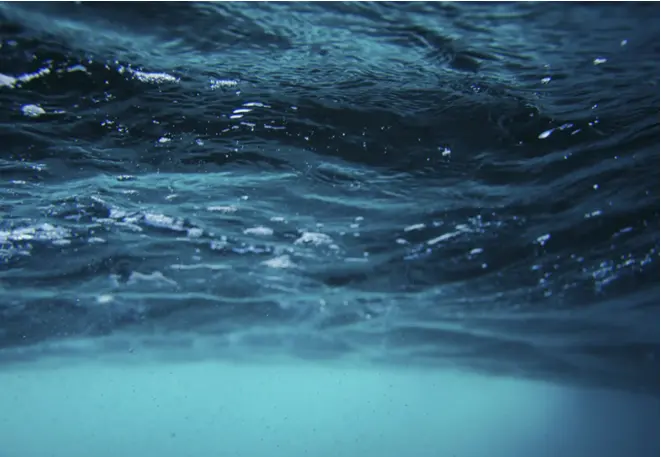
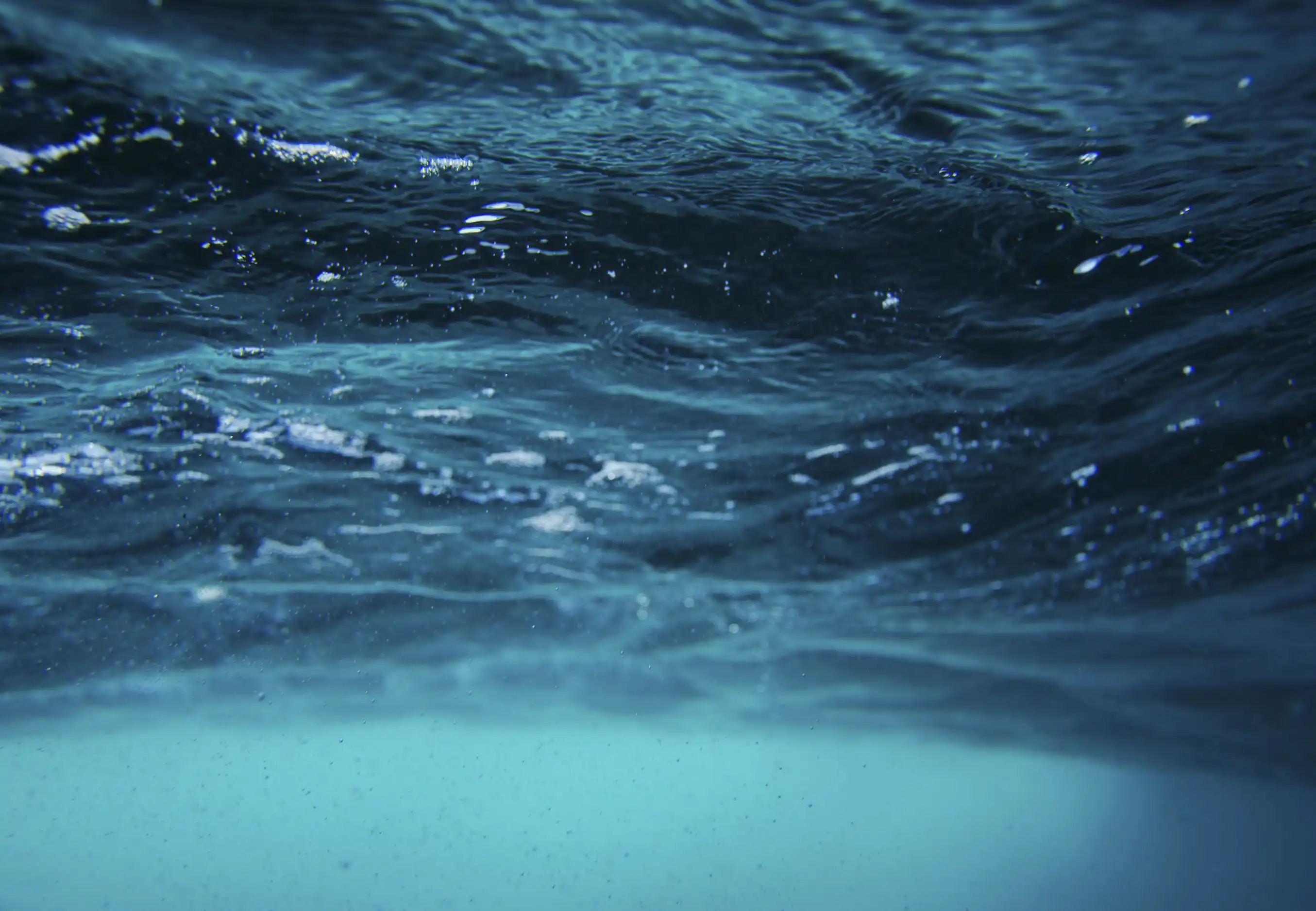
Blue, bluer, open water; all water that piles up above the seabed is referred to as open water.
Those of you who have ever taken a boat trip out to the open sea and went snorkeling or diving there know it: everywhere you look, only deep blue.
Why am I important?
Open ocean - the largest habitat in the world. This habitat is maintained by tiny algae and other microorganisms known as phytoplankton.
The top layers of seawater have optimal growth conditions for phytoplankton due to the strong flow of light. The deeper layers of water, where there is less sunlight, are nourished by sinking nutrients.
Large marine animals literally turn the otherwise nutrient-poor deep sea into an oasis when they die.
A dead whale turns into an essential food source for other deep-sea animals for about 30 years.
Who am I giving home to?
The food supply in open water can at best be described as sparse.
The phytoplankton in the upper layers of the water only feeds crabs and other small animals.
Despite this lack of food, the open ocean is home to the world's largest marine animals: whales, sharks, dolphins, and large bony fish, as well as their predators - tunas and barracudas - that make the blue expanse unsafe.
Jellyfish make a particularly beautiful display in the open water, catching plankton with their filaments and gliding gracefully through the blue.
Since there is never a shortage of space in the open water, it is the perfect home for schooling fish.
Oblong and oval with silver scales, these fish usually look as if they are glistening in the sun (this color also protects them from predators).
If you can get close enough to the schooling fish, you can see their large, round eyes, which give them a certain cuteness.
Since many different schooling fish look very similar, they can group together in large schools, which helps protect them from predators.
They also feed on plankton.
What do I consist of?
Mostly I'm just water, to put it bluntly. My levels of sodium chloride (NaCl, also known as common salt), calcium carbonate (CaCO3), and potassium chloride (KCl), which are higher in me than in any other water, make me saltwater.
In addition, countless undissolved particles and microorganisms make me the most important habitat on Earth.
Text: Carolina Leiter