
Academy Complex




Labyrinth of Caves
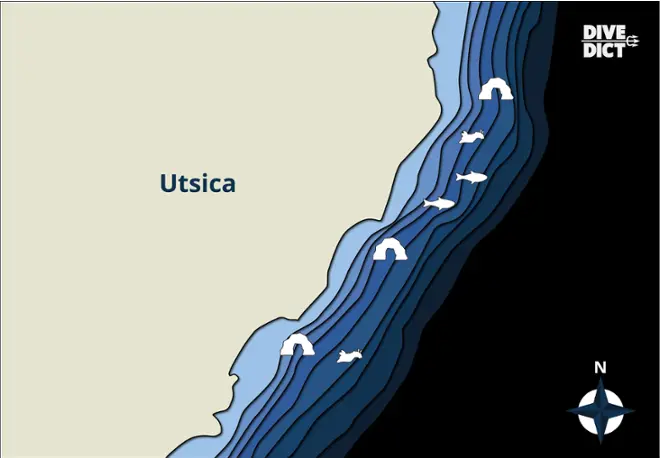
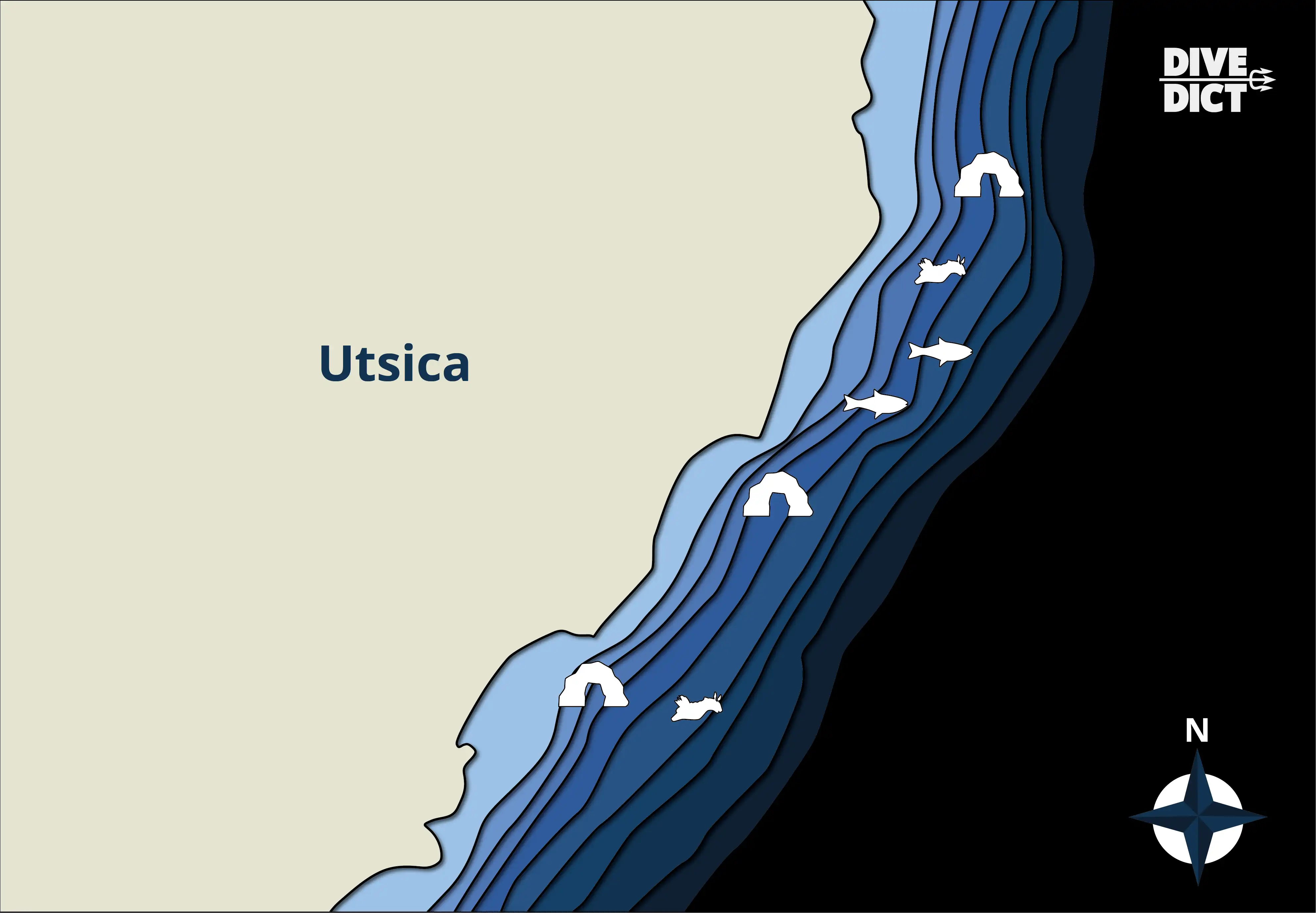
Dive Map


0m
3m
5m
10m
15m
20m
25m
30m
35m
40m
40m+
Entry
The dive site is accessible from the coast or by boat.
Best Time to Dive
April-November
Recommended Equipment
Sport diving equipment, flashlight, SMB
Highlights
The Academia cave complex attracts many divers because it is relatively easy to explore.
The landscape inside the caves varies from sandy to rocky, providing some variety. Some areas of the caves are even adorned with stalactites and stalagmites.
The shallowest cave can even be explored by brave snorkelers; its entry is at just 3 m, can be passed through, and exited at another point.
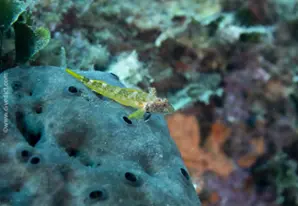
At 8 m, you enter the next cave, where sunlight from the surface creates beautiful light displays. It extends about 30 m into the rock and ends in a small chamber, where dark corners are often home to grouper (Epinephelidae) and nudibranchs (Nudibranchia).
At 11 m is the so-called "Washing Machine Cave." This cave gets its name from its rock formation at the entrance, which resembles a washing machine. Once past the entrance, a narrow passageway, wide enough for only one diver, leads into the rock and back into open water at 6 m.
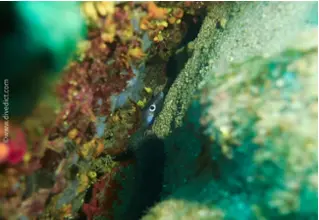
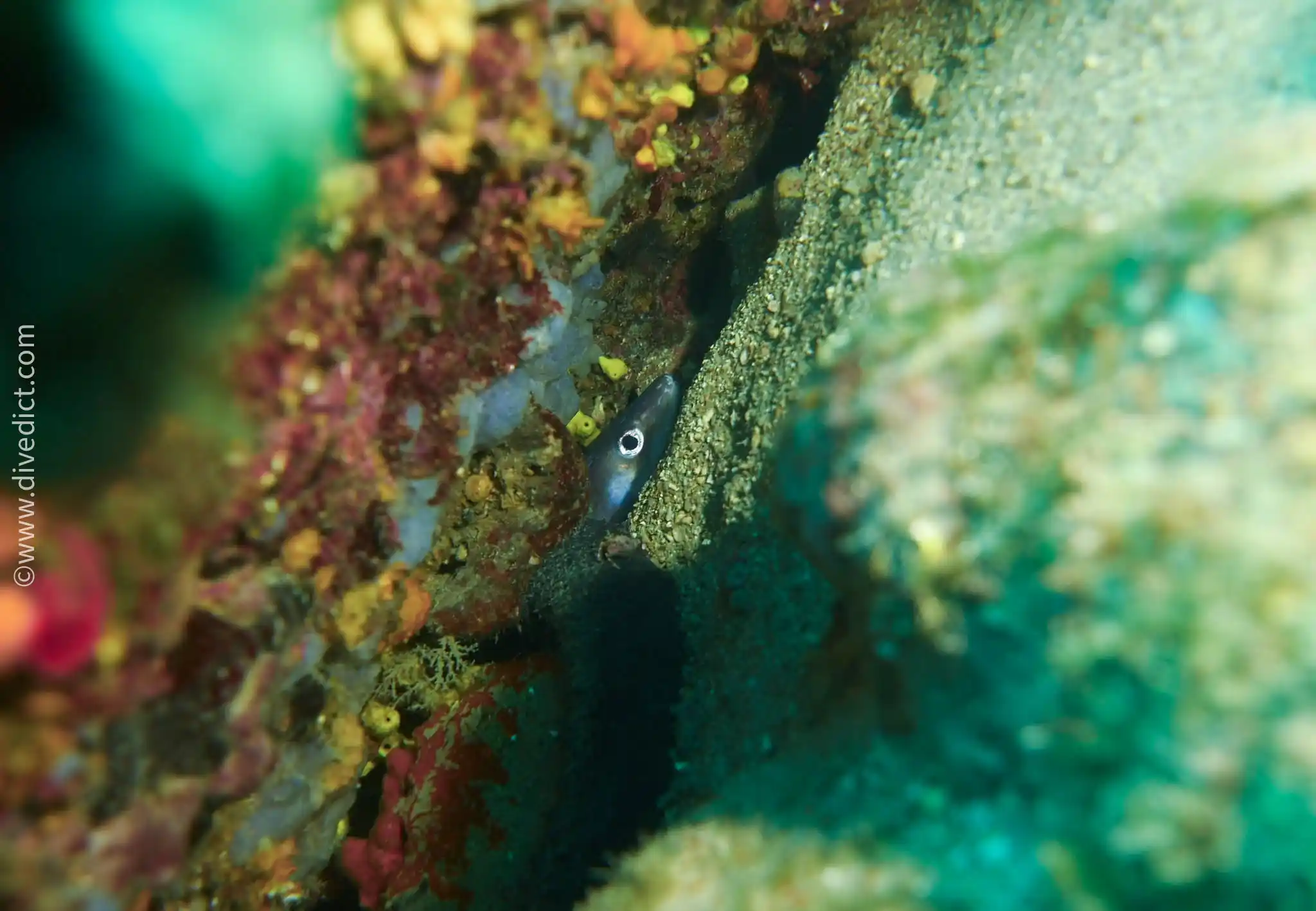
In this "bottleneck," conger eel specimens (Conger conger) like to hide, and if you look closely, you might even find the rare cowrie shells.
The last cave is found at 12 m; it is the most difficult in this complex. It leads through a narrow passage into a chamber where you can surface, and the walls are adorned with especially many stalactites.
A small challenge on the side:
In one of the caves of this complex stands a sunken statue of Saint Bartholomew, the patron saint of the island.
To find out exactly where you can find it, you might need to take a dive there yourself…
Text: Carolina Leiter
Illustration: Sabine Probst
Pic: Dive Dict