
Orange agelas
Agelas oroides




Special features
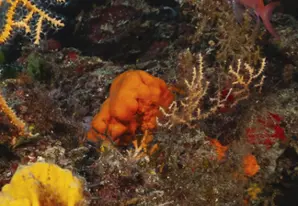
Considering his size, this guy has a massive filter capacity.
Appearance
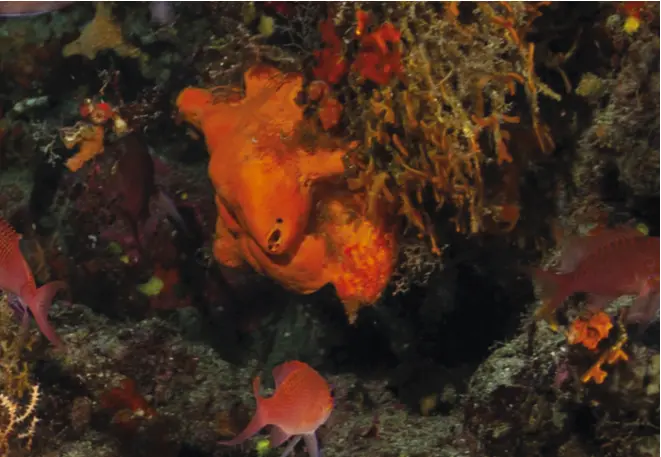
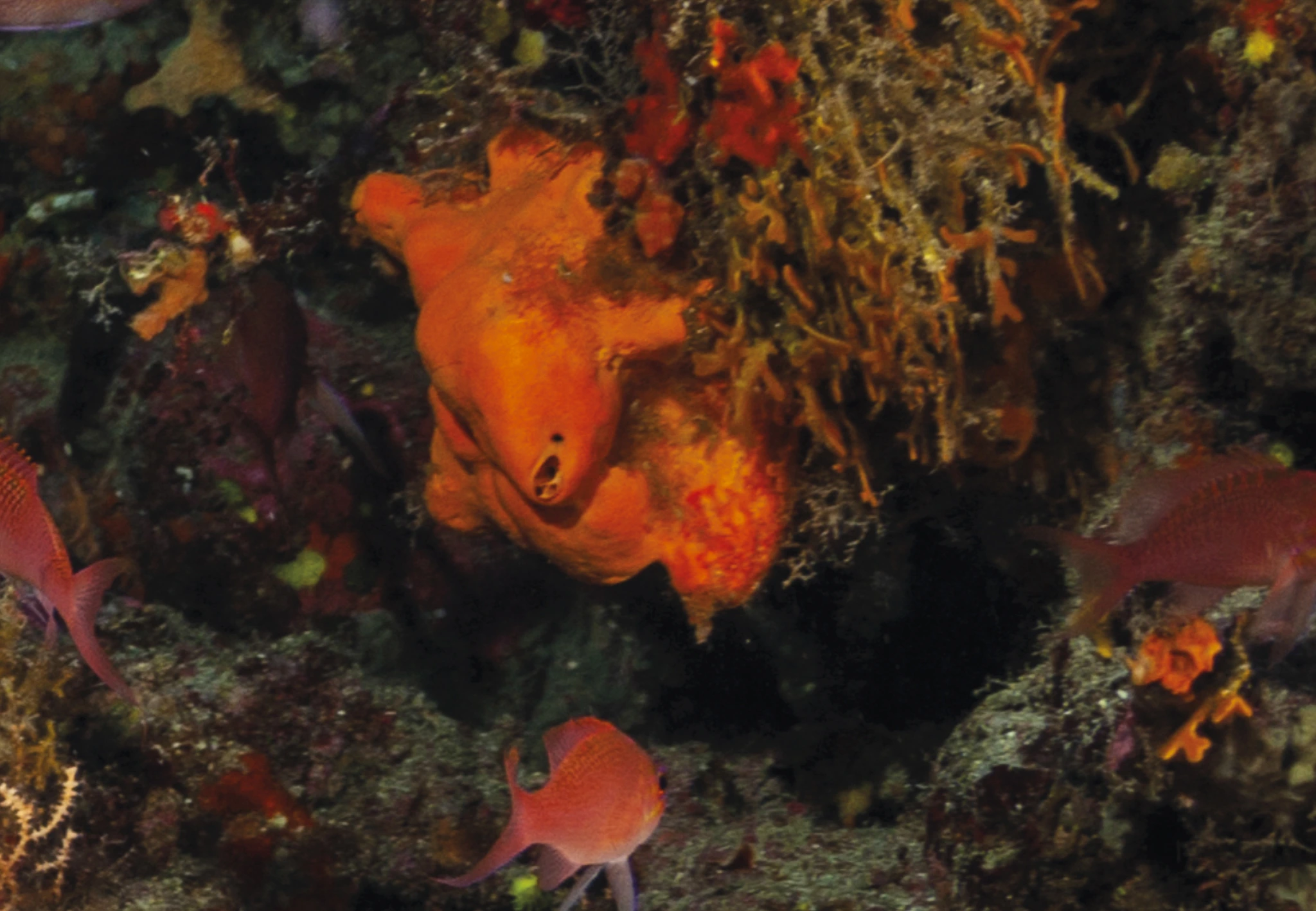
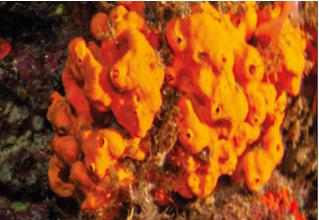
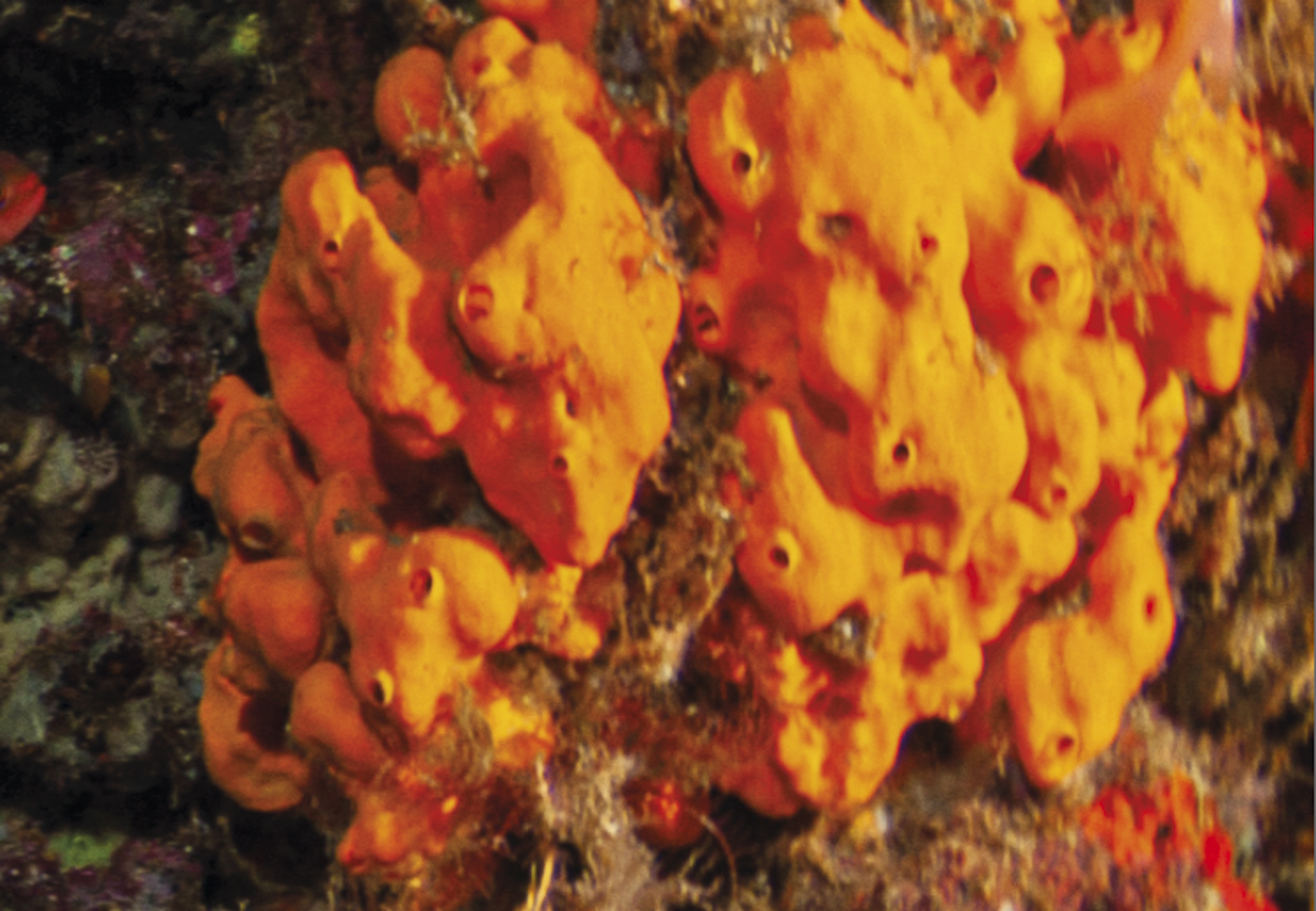
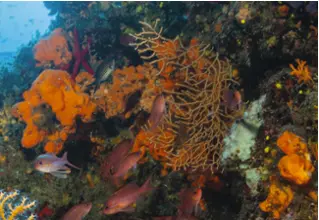
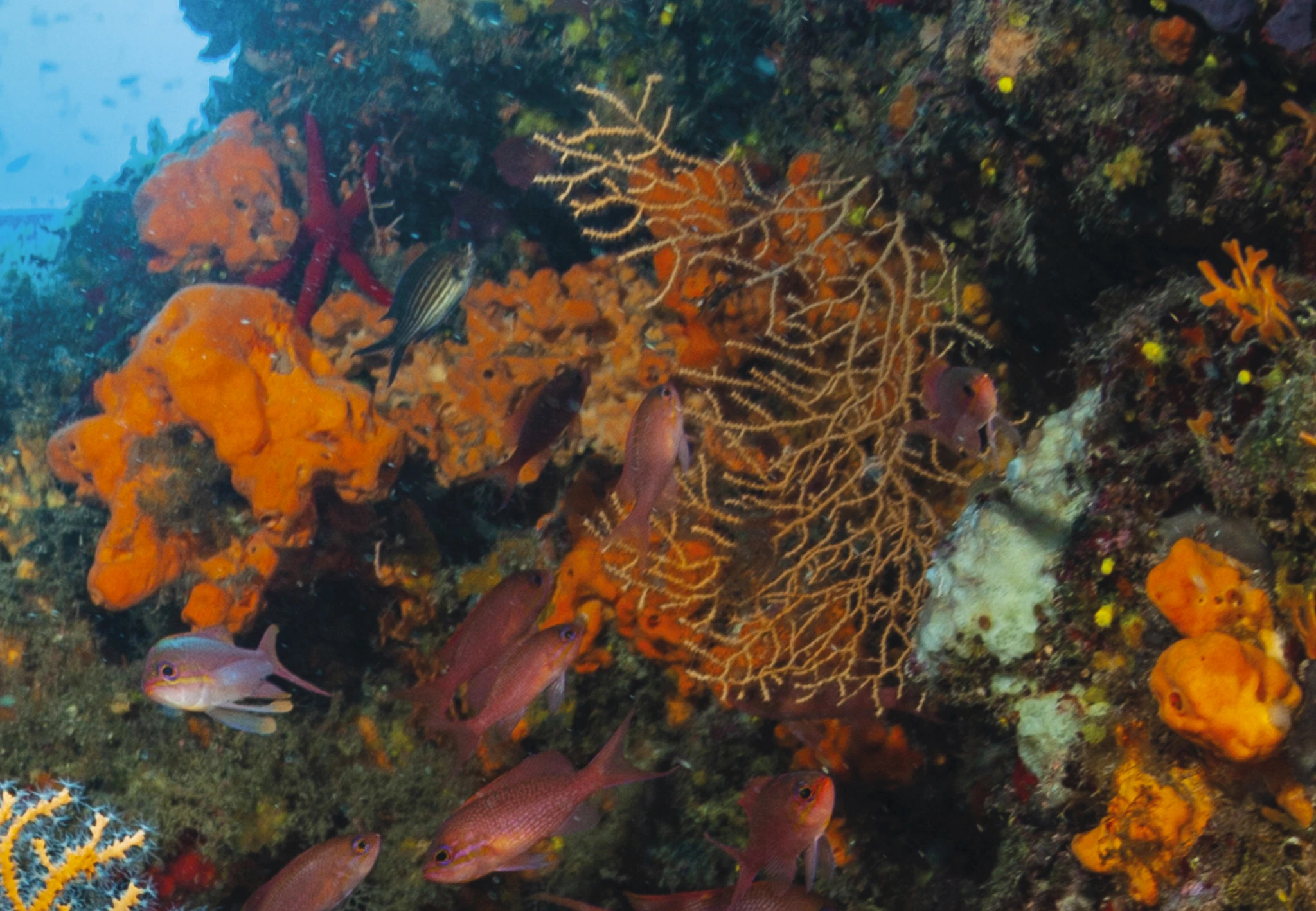
As the name suggests, it has an orange to ochre-yellow base color.
It grows up to 20cm tall, its outgrowths are short and wide with wide round osculum.
Its surface looks humpy but feels smooth and thanks to its massive spongin skeleton, it has a tough and firm consistency.
Natural enemies
Fish, snails
Dangerous/Venomous
The Orange agelas is neither dangerous nor venomous.
Sketch
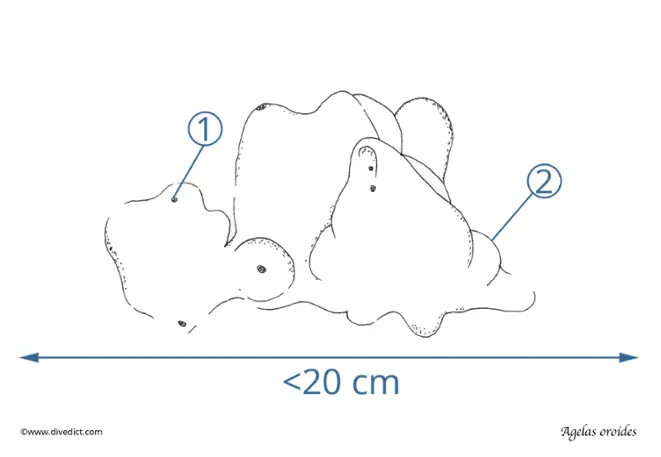
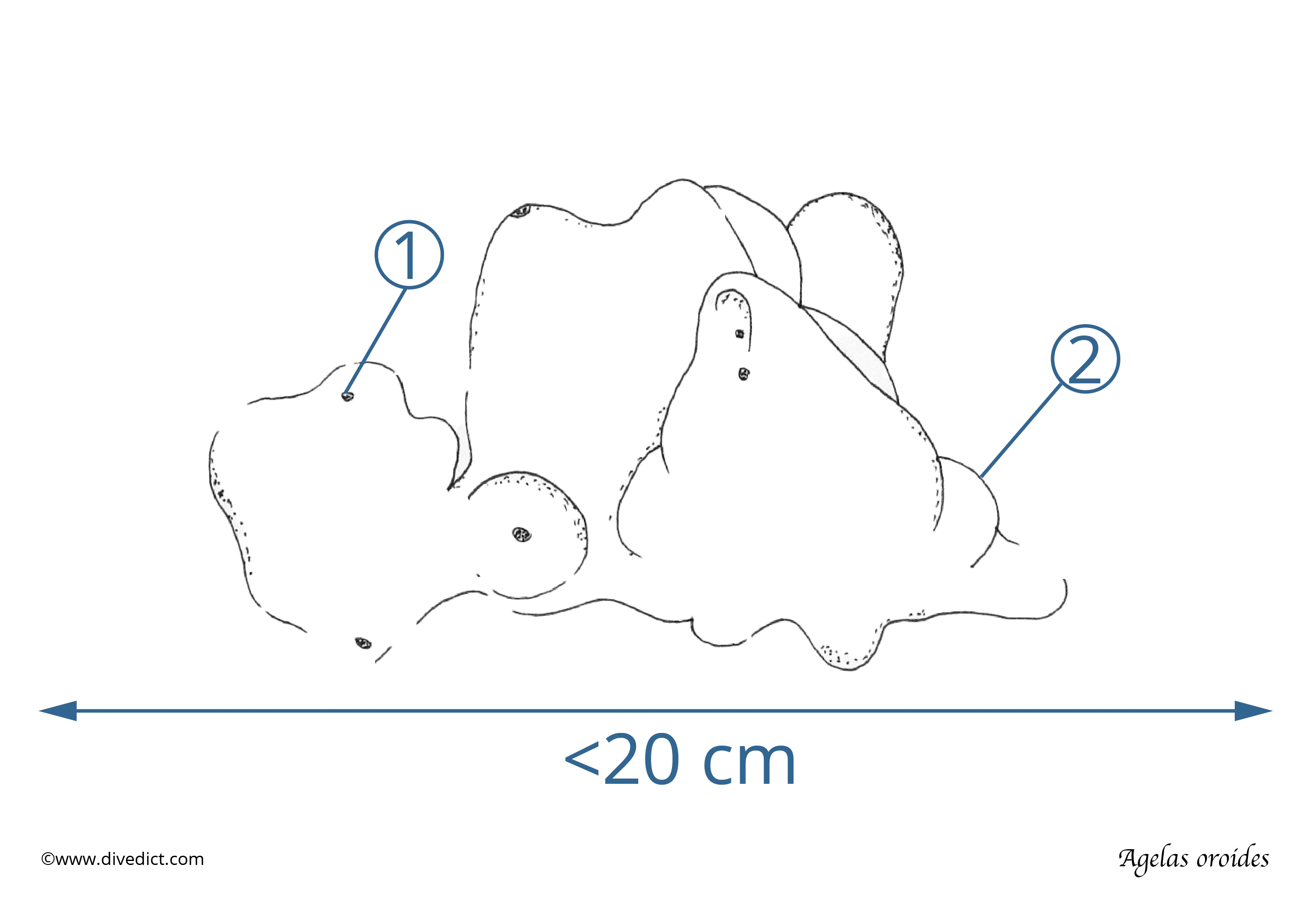
1. Osculum
2. Outgrowths are short and wide
Pro tips
These guys like to spread particularly in the eastern Mediterranean regions, especially on coral soil.
It pumps water in and out through the osculum.
In doing so, it consumes the bacteria and plankton and at the same time acts as a natural water filter.
It does not have a digestive system; rather, digestion takes place intracellularly. All “waste” is simply “exhaled” through the osculum.
In general, it has no organs or tissues or a nervous system; its cells perform all functions in a versatile and independent way.
Sponges are, by the way, the only animals without a nervous system.
It can reproduce both sexually and asexually.
Its "super cells" are able to replicate entire copies of itself.
For sexual reproduction, males and females release their gametes into the water, fertilization happens randomly and an egg is produced.
As a result, a parenchymal larva develops, which settles elsewhere and begins to develop sessile.
In total, the genus Agelas is divided into 36 different species.
All sponges of this genus produce toxins and antibiotics against predators.
Current research is trying to find pharmacological use in human medicine.
Text: Carolina Leiter