
Acropora selago
Acropora selago




Special features
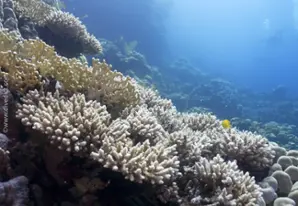
With their umbrella-like growth pattern, the colonies resemble a flower unfolding and blooming as it reaches toward the sun.
Appearance
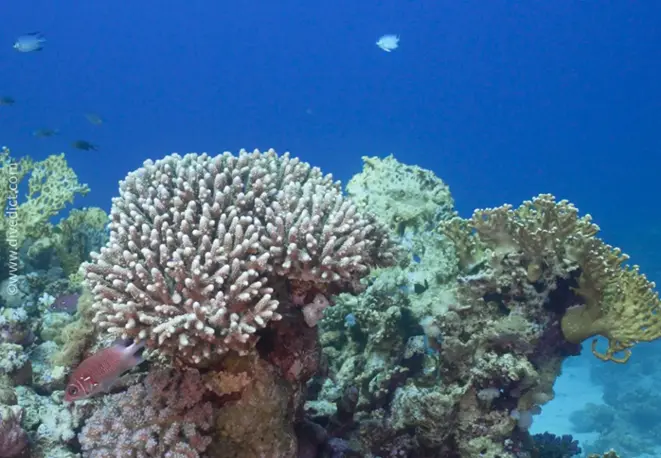
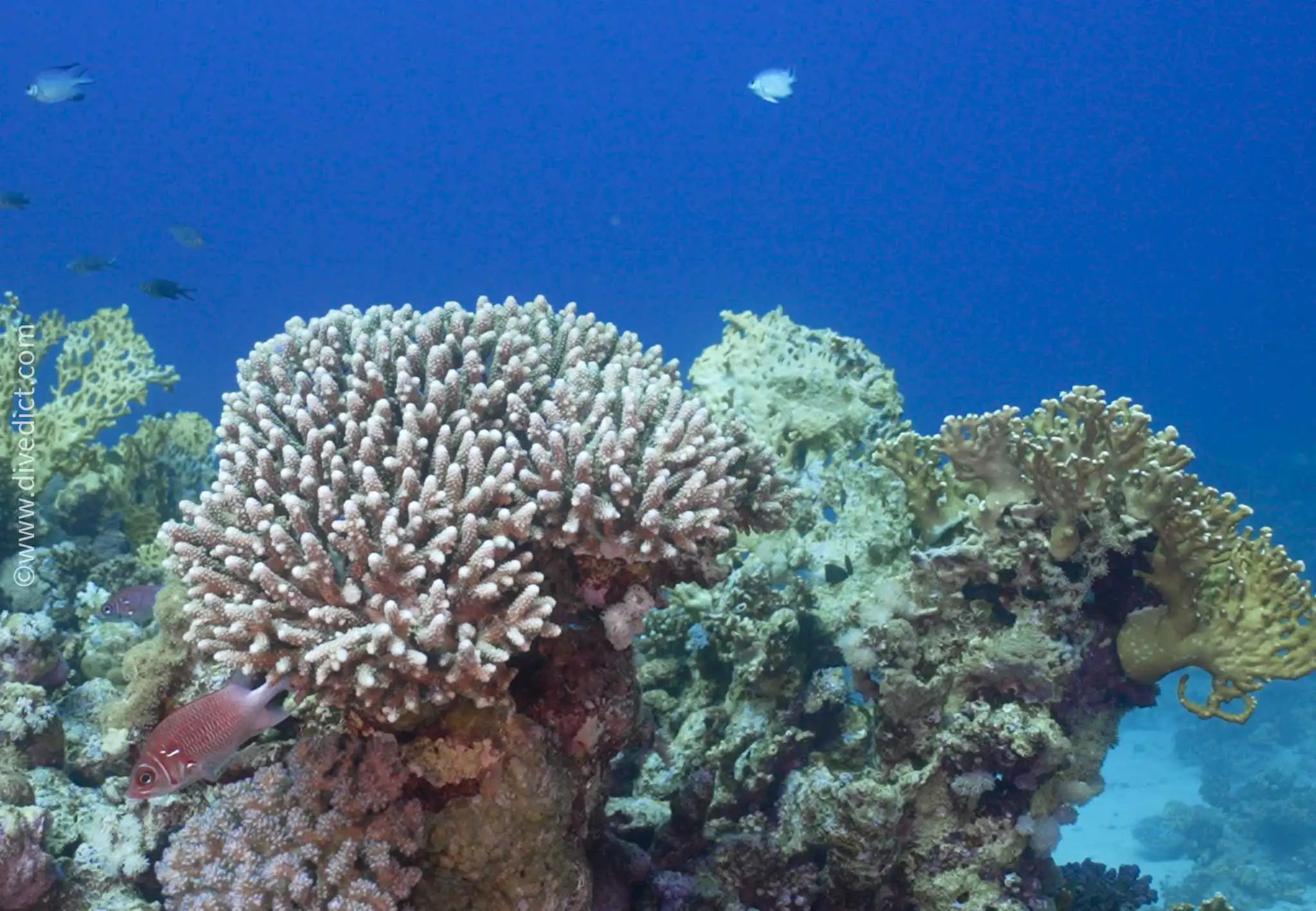
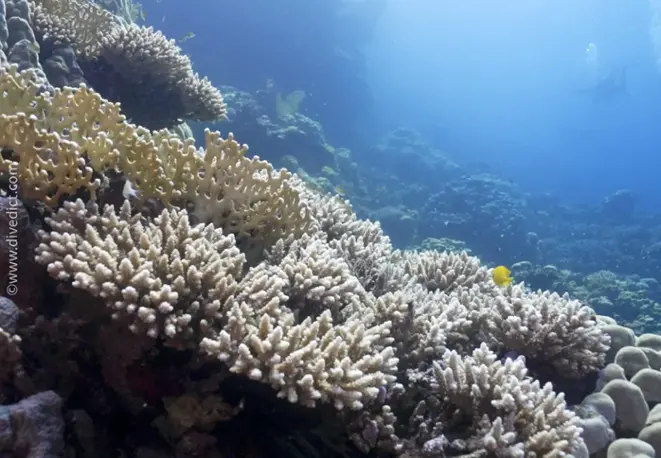
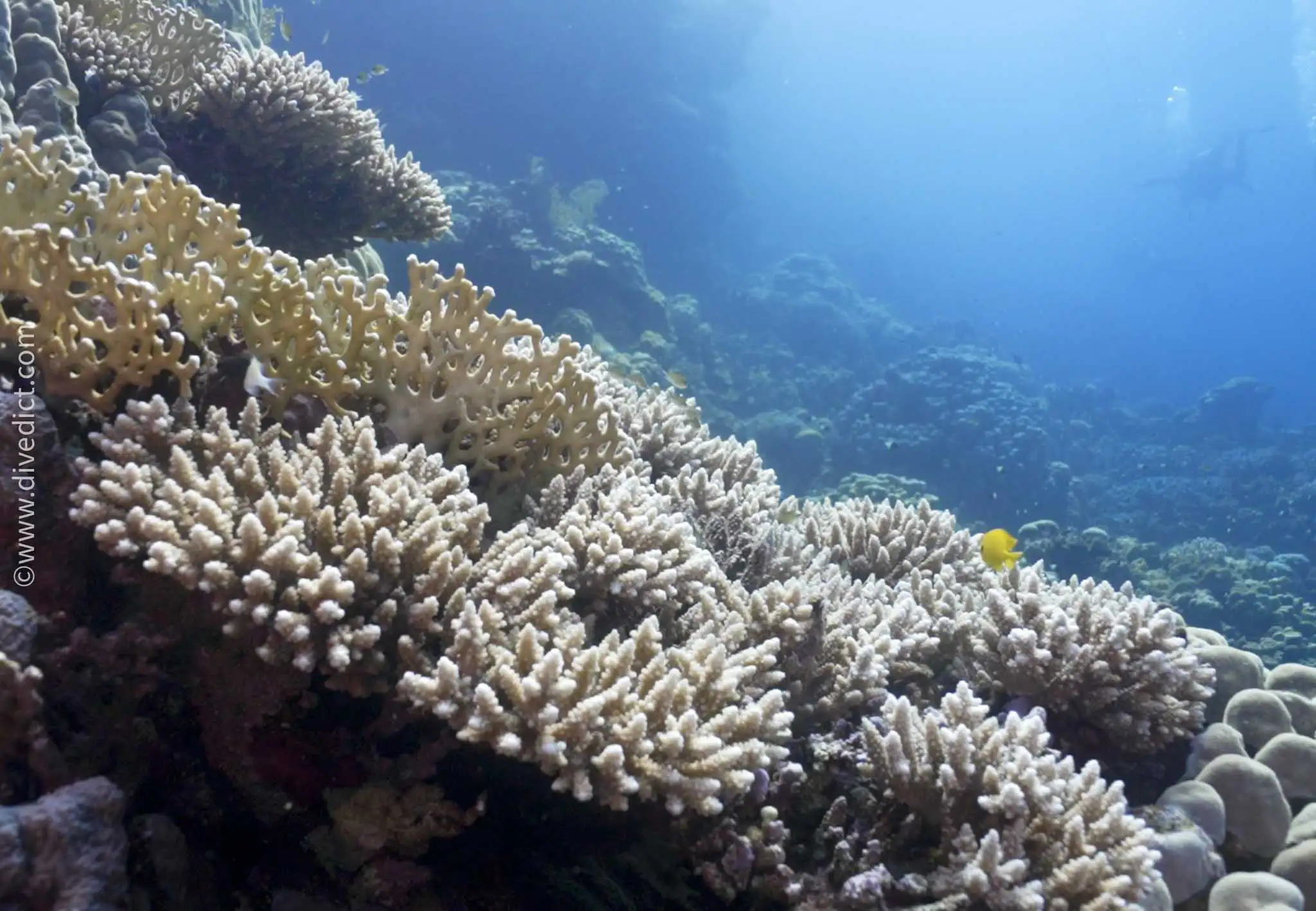
The Acropora selago forms colonies up to 75 cm in diameter. Unlike many corals that grow from a central base, this species attaches sideways to the substrate, spreading out in clusters of short, slender, umbrella-shaped branches—like an elegant underwater bouquet.Its polyps come in a stunning range of colors: brown, green, blue, bluish-brown, or reddish.
Natural enemies
Fish
Dangerous/Venomous
Selago antler coral is neither dangerous nor venomous.
Sketch
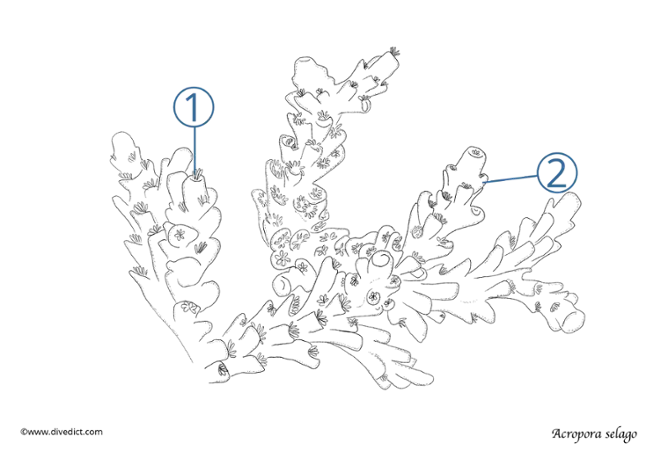
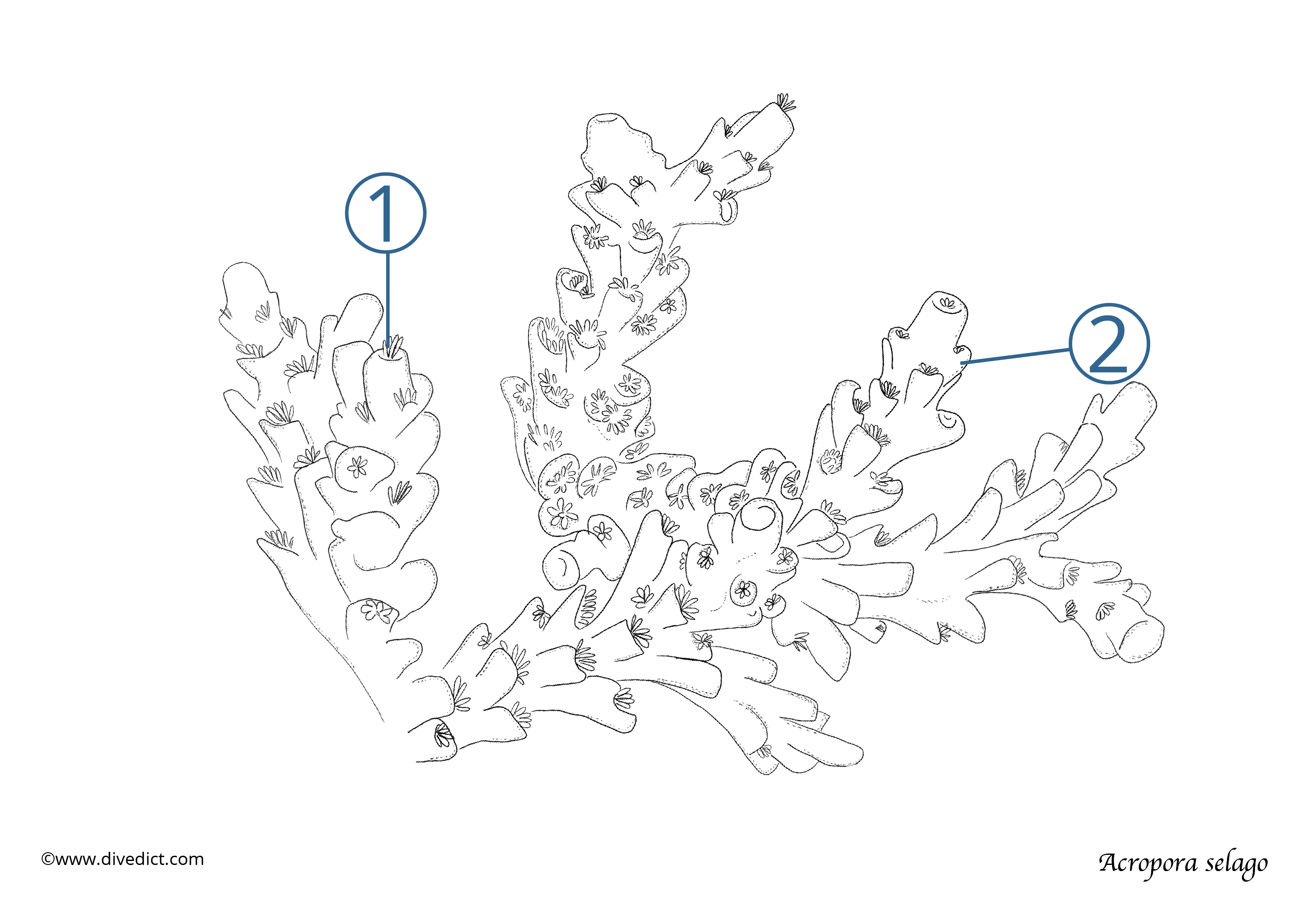
1. polyps
2. exoskeleton
Pro tips
Like many tropical corals, Acropora selago live in close symbiosis with zooxanthellae — microscopic algae that provide energy through photosynthesis. Sometimes the polyps even stretch out during the day — a nice spectacle for divers with a trained eye.
It prefers to settle in sheltered shallow-water reefs, especially in lagoons, where calm water and plenty of sunlight create optimal conditions.
Text: Carolina Leiter
Pic: Felician Hosp
Illustration: Dive Dict